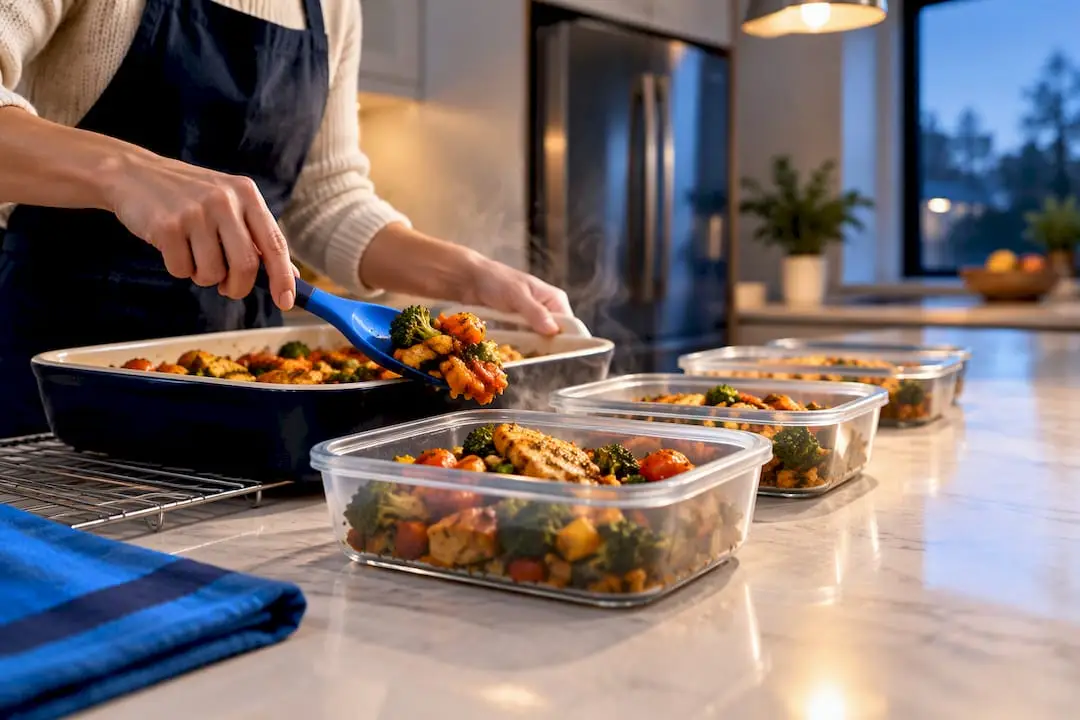
Before you go to bed: collect trash, secure perishables in the fridge, start the dishwasher or a load of laundry, and blot any spills you find. This order matters because the USDA and the CDC both flag food safety and surface hygiene as the two things that turn a messy house into a bigger problem overnight. Most homes can go from party to reset in a few focused hours the next morning, and Pure Homes Cleaning sees this sequence work for hosts across the region.
TL;DR:
- Ensuring perishables are refrigerated and trash is bagged promptly prevents food spoilage and odor development overnight.
- Starting laundry and running the dishwasher first in the morning saves time and avoids re-cleaning surfaces with crumbs or stains.
- Attaching an immediate spill blotting step reduces stain setting, with a focus on treating wine, grease, and ink stains using specific quick fixes.
- Food safety depends on discarding leftovers left out over two hours, or one hour above 90°F, to prevent bacterial growth.
- Booking professional cleaning becomes essential when house clutter and spills, such as wine stains or heavy debris, exceed what can be managed within limited time or energy.
Table of Contents
- Night-of checklist to stop stains and spoilage before bed
- What to tackle first, second, and last the morning after
- How to treat wine, grease, coffee, and carpet stains fast
- Cooling and storing leftovers without risking foodborne illness
- Resetting bathrooms and clearing out smelly trash
- Getting floors and furniture back to normal
- Realistic timing when you’re the one doing the cleanup
- When it makes more sense to book a professional cleanup
- Official guidance behind this checklist
- Sources
- FAQ
Night-of checklist to stop stains and spoilage before bed
The goal here isn’t a spotless house. It’s damage control: the few minutes you spend tonight save hours tomorrow.
- Gather trash and recycling into one bag each, tie off any liner that feels greasy or wet, and set it by the door.
- Pack perishable food into shallow containers and refrigerate them right away rather than leaving them out.
- Start the dishwasher with whatever fits, and start a laundry load for table linens or dish towels if they’re stained.
- Stack reusable cups and plates in one spot near the sink so tomorrow’s load is ready to go.
- Blot any visible spills with a clean cloth immediately. Press, don’t rub, so the stain doesn’t spread into the fibers.
If the group helped set a few ground rules for the night, cleanup tends to go faster automatically. Pickthe covers simple guest-management habits that cut down on spills and chaos before they happen.
What to tackle first, second, and last the morning after
Cleanup goes faster when you follow an order instead of bouncing between rooms. Food safety comes first because it’s the one task with an actual clock on it. Everything else can wait an hour without getting worse.
- Check the food. Anything perishable that’s been sitting out needs a time check before you touch anything else.
- Run the dishwasher and start laundry. Get machines working while you handle the rest by hand.
- Empty trash and recycling. Bag it, bin it, and deal with any liners that leaked overnight.
- Wipe down kitchen surfaces. Counters, appliance handles, and table edges usually have the stickiest residue.
- Reset the bathrooms. Toilet, sink, mirror, and a fresh liner in the trash can.
- Finish with floors. Vacuum first, then mop, so you’re not pushing crumbs into wet spots.
A few notes make each of these steps go smoother:
- Leftovers sitting at room temperature for more than two hours should be treated as questionable, and that window drops to one hour if the room was warmer than 90°F.
- Hand-wash delicate glassware and serving pieces before running the dishwasher, since a full load can chip stemware.
- A soggy or greasy trash bag liner needs to come out entirely, not just get tied off, or the odor sticks around for days.
- Sticky spots on appliance doors and table edges are easier to lift while they’re still slightly damp from the night before.
- Bathroom liners should be swapped even if the can isn’t full, since guest use tends to add odor faster than volume.
Skipping the order and jumping straight to vacuuming is the most common mistake. Crumbs and spilled drinks get ground into the carpet before you’ve dealt with the kitchen, and you end up vacuuming twice. Working room by room in this sequence means every surface only gets touched once.
How to treat wine, grease, coffee, and carpet stains fast
Fresh stains are forgiving. Stains that sit overnight are not, which is why triage beats a deep scrub every time. The flow is simple: identify the fabric or surface, remove any solid residue, blot the liquid, then apply the right cleaner before laundering.
- Red wine on fabric: blot with a clean cloth, then apply club soda and blot again before it dries.
- Grease on carpet or upholstery: work in a small amount of dish soap diluted in water, then blot dry.
- Protein-based stains like cheese dip or meat juice respond best to an enzyme cleaner rather than plain soap.
- Ink or lipstick on hard surfaces usually lifts with isopropyl alcohol on a cloth.
Avoid rubbing any stain, since it pushes the substance deeper into the fibers instead of lifting it out. Never mix bleach with ammonia-based cleaners under any circumstance, and hold off on heat, including the dryer, until you’ve confirmed the stain is fully gone.
Pro Tip: Test any spot cleaner on a hidden seam or corner first. Some fabrics react to alcohol or enzyme cleaners with discoloration you won’t notice until it’s too late to fix.
Cooling and storing leftovers without risking foodborne illness
Bacteria don’t wait for you to finish cleaning up. In the range between 40°F and 140°F, often called the danger zone, bacteria can double in number in as little as 20 minutes, which is why the two-hour clock on perishable food matters more than almost anything else on this list.
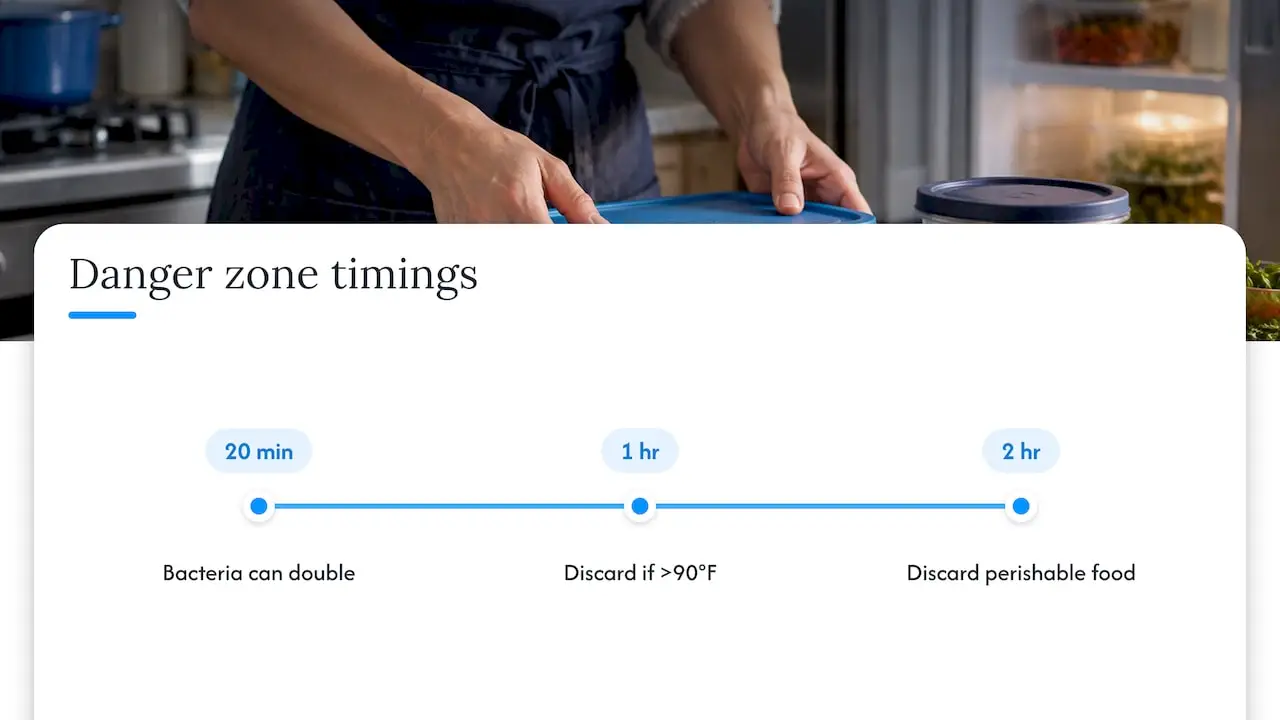
The rule that protects your leftovers: food left out longer than two hours (one hour above 90°F) should be discarded rather than saved, since the risk isn’t visible or detectable by smell.
Divide leftovers into shallow, airtight containers so they cool quickly instead of staying warm in the middle of a deep dish, and label each one with the date. When you reheat, bring food back to 165°F to make sure it’s safe to eat. If your fridge is packed after a big gathering, a cooler with ice packs works as overflow for lower-risk items, freeing up shelf space for anything that spent time near the danger zone. Hosts planning ahead for a large party can also split food into batches and refresh the serving dish partway through, an approach the USDA recommends for cutting down how long any portion sits out. Wild Foodz has more on meal-prep strategies that make leftover planning part of the party prep itself.
Resetting bathrooms and clearing out smelly trash
Bathrooms need a quick pass even if nothing looks obviously dirty: wipe the high-touch points, empty the trash, replace the liner, and give the toilet and sink a once-over.
- Clean visibly dirty surfaces with soap and water first, since that’s sufficient for routine cleanup in most homes.
- Disinfect only if someone at the party was sick, rather than reaching for harsher chemicals by default.
- Lift trash liners by the drawstring rather than the bottom to avoid a leak from grease or liquid.
- A little baking soda left in an empty bin overnight, followed by a rinse and some air-drying time, clears lingering odor.
Getting floors and furniture back to normal
Floors go last because anything you clean earlier tends to drop crumbs or drips onto them. Vacuum first to lift debris, then mop hard floors so you’re not pushing dirt into a wet surface.
- Spot-clean any sticky residue on the floor before mopping, using a solution suited to the material (plain water and a mild cleaner for tile, a wood-safe cleaner for hardwood).
- Blot upholstery stains rather than scrubbing, and run a lint roller over cushions to catch pet hair or crumbs.
- Finish with a short walk-through: lights off in unused rooms, cushions straightened, windows cracked if the house needs airing out.
Realistic timing when you’re the one doing the cleanup
Break the work into short sprints instead of one long slog. The 20/10 rule, 20 minutes of cleaning followed by a 10-minute break, works well for post-party fatigue. Hand small jobs to anyone still around: one person bags trash, another stacks plates. Anything that isn’t done by evening can wait for a professional.
— Local
When it makes more sense to book a professional cleanup
Some mornings, the math doesn’t work in your favor: a big guest list, spilled wine on the rug, and a full workday ahead of you. That’s a common scenario professional cleaning services get booked for. A typical post-party cleaning visit often covers trash removal, kitchen wipe-down, bathroom reset, floor cleaning, and fresh linens.
If your gathering left more mess than a morning allows, you can compare a standard cleaning against a deep clean to see which fits, or go straight to booking a cleaning and get your time back.
Official guidance behind this checklist
- USDA/FSIS on the food danger zone and safe cooling times.
- CDC guidance on cleaning versus disinfecting at home.
- EPA label rules for safe household bleach use.
Sources
- How temperatures affect food | Food Safety and Inspection Service
- When and how to clean and disinfect your home | CDC
- U.S. EPA, Pesticide Product Label, CLOROX BLEACH, 07/25/2007
FAQ
What is the 5-5-5 rule for cleaning?
The 5-5-5 rule generally refers to spending 5 minutes clearing surfaces, 5 minutes on floors, and 5 minutes on a final tidy pass in a room. Definitions vary across sources, but the core idea is breaking cleanup into short, timed bursts rather than one long session.
What is the 6/10 rule for cleaning houses?
The 6/10 rule typically means giving a space 6 minutes of quick tidying and 10 minutes of deeper cleaning before moving to the next room. It works well after a party because it forces you to move through the house instead of getting stuck perfecting one room.
What should I do to clean up after a house party?
Start with food safety: refrigerate or discard anything that sat out longer than two hours, then run the dishwasher, empty trash, wipe kitchen surfaces, reset the bathroom, and finish with vacuuming and mopping. This order prevents stains from setting and keeps odors from building overnight.
What is the 20/10 rule for cleaning?
The 20/10 rule means cleaning for 20 minutes, then taking a 10 minute break, repeated until the house is done. It’s a practical way to get through post-party fatigue without burning out on one long session.