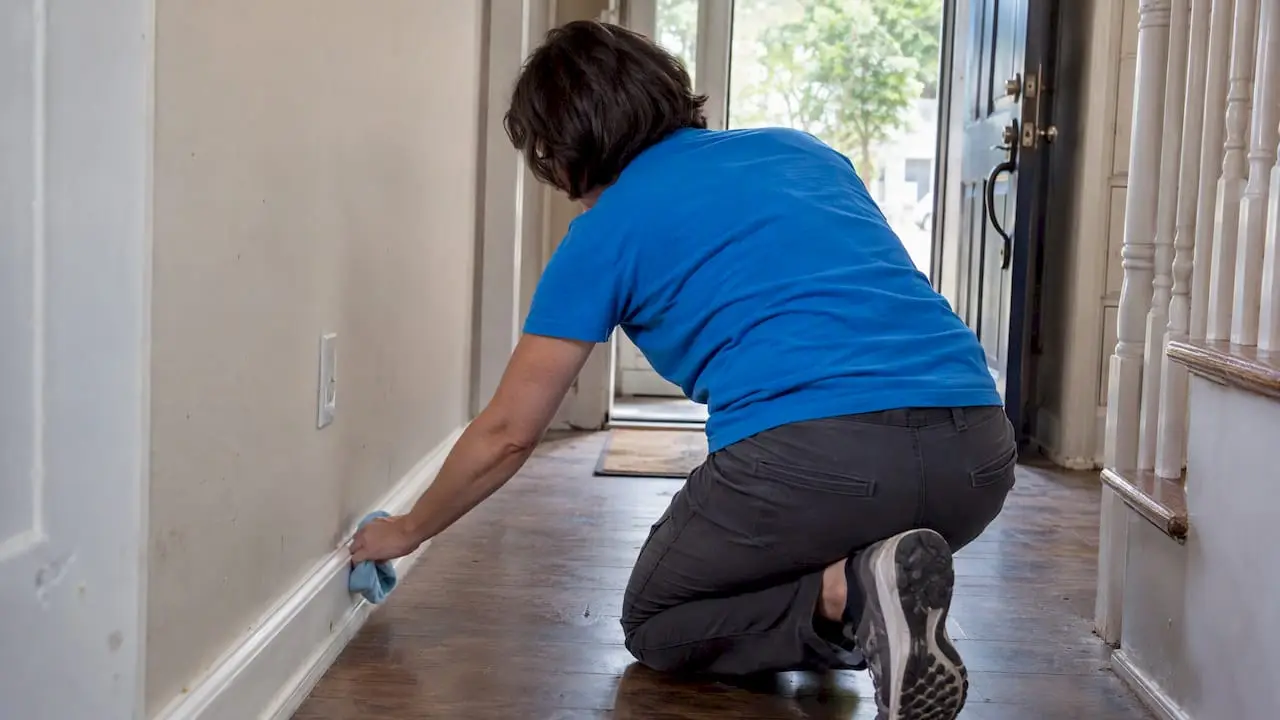
Prepare your home in three phases: declutter, deep clean, and refresh curb appeal, then finish a handful of high-impact touch-ups the morning of the open house. Those morning tasks include wiping kitchen counters, a quick bathroom pass, emptying trash, making beds, and opening blinds and lights. Ventilate rooms instead of masking odors with heavy fragrance, in line with EPA guidance.
TL;DR:
- Focus on clearing visible clutter and trash in 15 minutes, then proceed to cleaning sinks, fixtures, and sweeping in 30 minutes, and finish with vacuuming and mopping if time permits.
- Target kitchen, bathrooms, and bedrooms by tidying surfaces, cleaning fixtures, and decluttering closets to address buyer inspection points.
- Enhance curb appeal efficiently by mowing, trimming, rinsing outdoor surfaces, and cleaning windows in just a few hours without professional help.
- Schedule deep cleaning at least a few days before the event to allow lingering emissions from cleaning products to dissipate, especially for carpets and vents.
- Coordinate cleaning with staging or photography to avoid streaks and damp smells, focusing on often-missed spots like vents, high baseboards, and appliance edges.
Table of Contents
- Your open house cleaning checklist for 15, 30, or 60 minutes
- Room-by-room checklist: kitchen, bathrooms, bedrooms, and more
- Curb appeal checklist: lawn, porch, and exterior
- Supplies, timing, and DIY versus a professional clean
- Managing odors and indoor air before a showing
- Final staging and photo checks before buyers arrive
- What professional cleaners notice that homeowners miss
- How professional cleaning services fit into your open house prep
- FAQ
- Sources
Your open house cleaning checklist for 15, 30, or 60 minutes
When you are short on time, work in order of visibility. Buyers notice trash, clutter, and dirty surfaces before anything else, so tackle those first and let the clock decide how far you get.
- 15 minutes: Take out the trash, straighten pillows and make beds, wipe kitchen and bathroom counters, and run the vacuum over entryways and hallways.
- 30 minutes: Add cleaning sinks and fixtures, wiping mirrors, clearing countertops of clutter, tidying the entry table, and sweeping the porch.
- 60 minutes: Vacuum the whole home, mop hard floors, wipe baseboards in main living areas, and swap in fresh towels.
This tiered approach works whether you are handling a single last-minute showing or planning ahead for a weekend of back-to-back visits. If your home needs more than an hour of work before it looks presentable, that is usually a sign the deeper room-by-room tasks below still need attention.
Room-by-room checklist: kitchen, bathrooms, bedrooms, and more
Buyers open cabinets, peek into closets, and run their eyes along countertops. A room-by-room pass catches the details a quick straightening misses.
Kitchen
- Clear countertops down to a few neutral items like a fruit bowl or a cutting board.
- Wipe appliance exteriors, including the microwave handle and oven door.
- Clean the sink basin and faucet until they shine.
- Remove magnets, lists, and photos from the refrigerator door.
For a deeper pass, our kitchen deep cleaning checklist breaks the room into a timeboxed plan that works well a few days before a showing.
Bathrooms
- Scrub grout lines and fixtures until buildup is gone.
- Clean showers and tubs, including the inside of the shower door.
- Clear counters of toothbrushes, razors, and other personal items.
- Set out neutral towels and a spare roll of toilet paper.
Bedrooms
- Make beds with neutral, unwrinkled linens.
- Clear nightstands of medication, chargers, and clutter.
- Tidy closets, since buyers routinely open them to judge storage space.
- Dust baseboards and ceiling fan blades, where dust tends to collect unnoticed.
Living and dining areas
- Clear tabletops and shelves of excess decor.
- Vacuum upholstery and rugs, paying attention to pet hair.
- Keep walking paths between furniture clear so the room feels larger.
Entry and utility spaces
- Sweep the porch and clean or replace a worn doormat.
- Hide shoes, backpacks, and kids’ toys out of sight.
- Straighten the garage or mudroom so it looks like usable storage rather than overflow.
Pro Tip: Open every closet door before you start cleaning the main rooms. A tidy bedroom loses its effect fast if buyers find a packed, chaotic closet.
Related reading: if you are cleaning ahead of a move rather than a sale, our move-out cleaning checklist covers many of the same deep-clean tasks in more detail.
Curb appeal checklist: lawn, porch, and exterior
First impressions start before a buyer touches the front door, so the exterior needs the same attention as the inside.
- Mow the lawn, trim edges, and clear leaves, toys, or tools from the yard.
- Power-rinse walkways and the driveway if they show stains or buildup.
- Sweep the porch, clean light fixtures, and set out a fresh doormat.
- Make sure house numbers are visible and readable from the street.
- Check exterior bulbs and replace any that are out.
- Wipe visible windows and clear cobwebs from corners and eaves.
These tasks take an afternoon for most homes and rarely need professional help unless siding or gutters need a deeper wash.
Supplies, timing, and DIY versus a professional clean
Stock a few basics before you start: microfiber cloths, an all-purpose cleaner, a grout brush, glass cleaner, a vacuum with attachments, a mop, and an odor-neutral cleaner rather than a heavily scented spray.
- Two or more weeks before listing: Declutter room by room and handle small repairs like loose cabinet handles or scuffed paint.
- Three to seven days before showings: Do the full deep clean, including carpets and any larger repair work.
- Morning of the open house: Run through the 15/30/60-minute checklist above.
Consider a professional deep clean when carpets are stained, your schedule is tight, or the home has gone unused for a while. When you book a service, ask specifically for grout, baseboards, and appliance interiors to be included, since these are the details a general tidy-up tends to skip. Cost depends mainly on square footage, how dirty the home currently is, and whether carpets need separate treatment, so get a quote based on your specific home rather than a flat number.
Managing odors and indoor air before a showing
A clean-smelling home and a genuinely clean home are not the same thing, and buyers can tell the difference. The EPA’s indoor air quality guidance recommends increasing ventilation whenever you use cleaning products, rather than relying on fragrance to cover odors.
- Open windows and run exhaust fans while cleaning and for a while afterward.
- Change HVAC filters and wipe down vent covers, since dusty vents are an easy tell for buyers.
- Never mix cleaning products, and choose ones carrying the Safer Choice label when you want a lower-emission option.
- Dry any damp areas within a day or two to avoid mold or mildew smells.
A residential monitoring study found that cleaning activities raise indoor concentrations of volatile and semivolatile organic compounds, and while most levels drop within hours, some emissions from products like carpet cleaners can linger beyond several hours. That is a practical argument for scheduling carpet shampooing several days before an open house rather than the night before.
Final staging and photo checks before buyers arrive
Cleaning and staging work together, not as separate tasks; understanding the role of virtual tours can help showcase your clean, well-prepared home digitally. NAR’s 2025 staging data shows most agents recommend decluttering, cleaning the entire home, and improving curb appeal before listing, and when time is short, agents and buyers consistently point to the living room, primary bedroom, and kitchen as the spaces that matter most.
- Turn on every light, including lamps, before buyers or photographers arrive.
- Clear visual clutter from countertops and shelves one more time.
- Angle furniture to show clear pathways and a sense of flow between rooms.
- Set the thermostat to a comfortable level and adjust blinds for natural light.
- Remove pet bowls, litter boxes, and pet bedding from view.
What professional cleaners notice that homeowners miss
The spots that get skipped most often are not the obvious ones. Vents, high baseboards, the inside edge of the oven door, and the top of the refrigerator collect dust long before a buyer ever opens a cabinet, and they are exactly where a trained eye looks first. Coordinating the cleaning schedule with a stager or photographer also matters: wet cleaning too close to a photo shoot can leave streaks or a damp smell that lingers in a listing photo. Timing the deep clean a few days ahead, then doing a light touch-up the morning of, tends to produce the most consistent results from listing photos through the actual showing.
— Local
How professional cleaning services fit into your open house prep
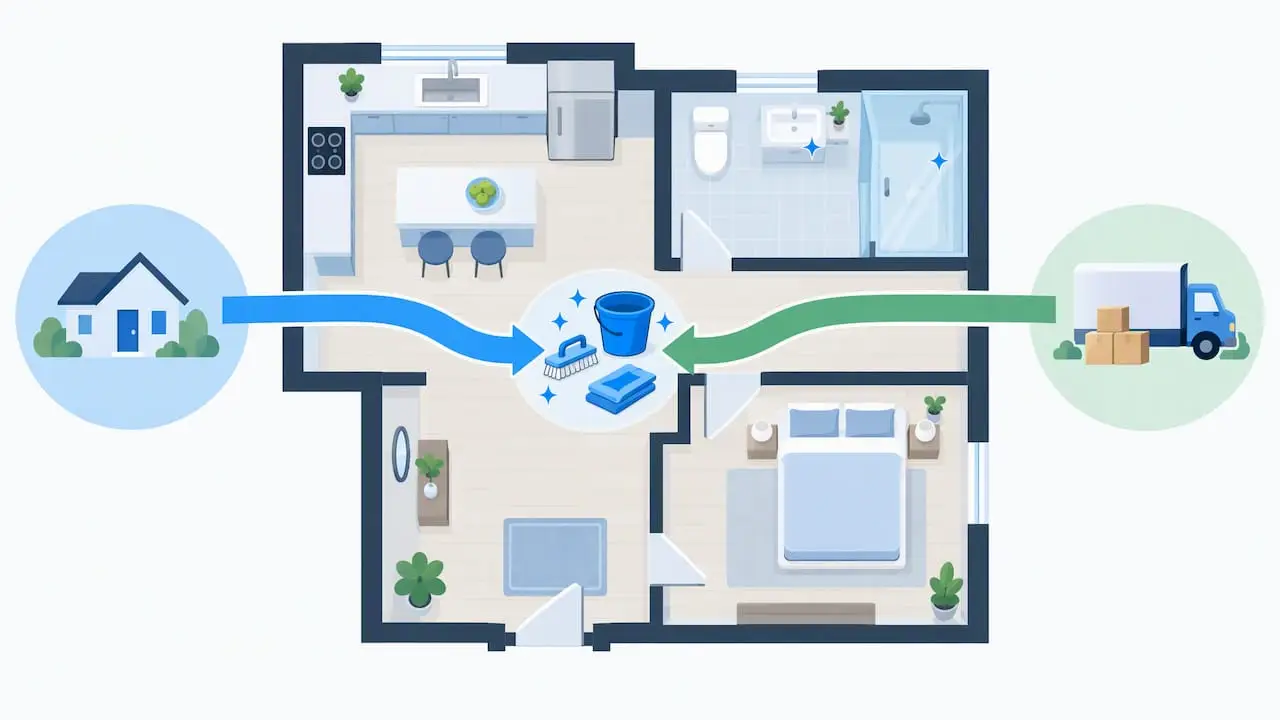
Different stages of selling call for different levels of cleaning, and cleaning services are built around exactly that. Deep cleaning fits best when a home has years of buildup in grout, baseboards, or appliances that a quick wipe will not fix. Standard cleaning works well as the final touch-up a day or two before a showing, once the heavy lifting is already done. For sellers clearing out before listing, or buyers settling into a new place, move-out and move-in cleaning services handle the full turnover.

When you book, ask us to focus on vents, baseboards, and appliance interiors, the details buyers notice but most routine cleanings skip. You can compare what each service includes or go straight to booking a cleaning for a date before your next showing.
FAQ
What is the 5-5-5 rule for cleaning?
The 5-5-5 rule is a decluttering method where you pick five items to keep, five to donate, and five to toss in each room or area. It helps homeowners work through clutter quickly without getting stuck deciding what to do with every single object.
What is the 6/10 rule for cleaning houses?
The 6/10 rule suggests cleaning a space to about 60% to 70% of perfection rather than chasing a flawless result, since the last stretch of effort often takes disproportionately more time. For open house prep, this means prioritizing visible surfaces and high-traffic rooms over obsessing on every corner.
What is the 80/20 rule in house cleaning?
The 80/20 rule, borrowed from the Pareto principle, holds that about 80% of the visible mess comes from about 20% of the areas in a home, typically kitchens, bathrooms, and entryways. Focusing cleaning effort there first gives the biggest visible improvement for the time spent.
Is $50 an hour good for house cleaning?
Cleaning rates vary widely by region and the scope of work involved, so there is no single rate that applies everywhere. Rather than comparing hourly rates alone, ask what tasks are included in a quoted price, since a deep clean covering grout, appliances, and baseboards is a different job than a standard tidy-up.
How far in advance should I deep clean before an open house?
Plan your deep clean sufficiently in advance before the showing, allowing enough time for any lingering cleaning product emissions to decline before buyers walk through. A residential air quality study found that some emissions from cleaning activities, particularly from carpet treatments, can persist for a prolonged period after cleaning.
Sources
- NAR report reveals home staging boosts sale prices and reduces time on market
- Safer Choice products
- Influence of Cleaning on Indoor Air Concentrations of Volatile and Semivolatile Organic Compounds in Residences