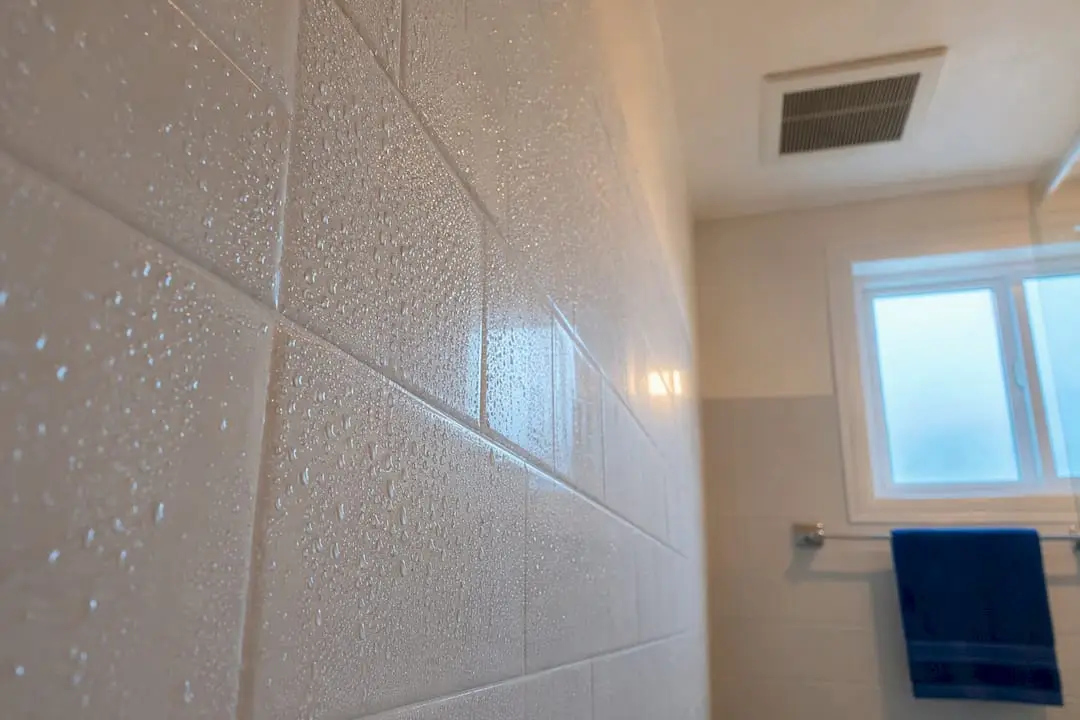
Moisture control is the whole game. Run a properly vented exhaust fan during and after every shower, keep indoor humidity between 30% and 50%, and dry wet surfaces within 24 to 48 hours. Clean small mold patches with soap and water or a mild bleach solution, and call a professional when the problem keeps coming back or covers more than a small patch.
TL;DR:
- Proper ventilation requires a fan that vents outside and runs for at least 20 to 30 minutes after showering, with a capacity of at least 50 CFM.
- Maintaining indoor humidity between 30% and 50% and drying surfaces within 24 to 48 hours prevents mold recurrence, especially in poorly ventilated bathrooms.
- Small mold patches can be safely cleaned with soap or a bleach solution, but larger or persistent mold requires professional remediation to address the moisture source.
- Using nonabsorbent materials like tile or sealed stone and routinely resealing grout helps create environments less inviting for mold growth.
- Regular maintenance includes daily fan use, squeegeeing surfaces, washing towels weekly, and promptly repairing leaks to keep moisture levels low.
Table of Contents
- Bathroom Mold Prevention Checklist: Ventilation, Humidity, and Daily Habits
- How Do You Clean Existing Mold Safely?
- What Materials and Finishes Lower Mold Risk?
- What’s a Realistic Maintenance Schedule for a Mold-Free Bathroom?
- When Should You Call a Mold Remediation Professional?
- Publisher Perspective: How Pure Homes Cleaning Helps With Mold-Prone Bathrooms
- Why Sealing Leaks Fast Actually Prevents Mold
- Do Moisture Absorbers Like Silica Gel Actually Help?
- Why Towels and Bath Mats Need Regular Washing
- Our Take: Skip the Mold Sprays, Fix the Airflow
- Sources
- FAQ
Bathroom Mold Prevention Checklist: Ventilation, Humidity, and Daily Habits
Most bathroom mold traces back to one root cause: air that stays wet too long. Fix that, and you fix almost everything else.
Start with the fan. A bathroom exhaust fan needs to vent to the outside, not into an attic or a ceiling cavity, and it needs to run during your shower plus another 20 to 30 minutes after. That extra half hour matters more than people think. Mirrors, tile, and grout hold moisture long after the water shuts off, and a fan that clicks off the second you step out leaves that dampness to soak into grout lines overnight. If you’re not sure your fan is sized right, a rough rule from HVAC pros is one CFM (cubic foot per minute) of airflow for every square foot of bathroom, with a minimum of 50 CFM even in small half-baths.
Humidity is the number to watch, and it’s cheap to track. A basic hygrometer costs less than a fast-food meal and gives you a real number instead of a guess. Aim for 30% to 50% relative humidity, and never let it sit above 60%. Humidity swings throughout the day, so check it right after a shower, when moisture peaks, not first thing in the morning when the room has already dried out. If your bathroom consistently reads high even with the fan running, a small dehumidifier or your home’s central AC on a lower humidity setting can pick up the slack.
The daily habits cost nothing and take seconds:
- Squeegee glass shower doors and tile walls right after you rinse off.
- Crack the bathroom door or a window once you’re done, especially if the fan is weak.
- Keep showers shorter and a touch cooler. Steam volume drops fast when you cut the temperature by even a few degrees.
- Hang wet towels somewhere outside the bathroom to dry, not on a hook where they trap humidity in an already damp room.
A few low-cost fixes round it out. Quick-dry bath mats beat plush cotton ones that stay damp for hours. Glass shower doors dry faster than fabric curtains, though a curtain works fine if you shake it out and let it hang open after use. And leave the cabinet doors open under your sink now and then. Plumbing leaks and condensation collect in that dark, closed space, and it’s one of the most overlooked mold breeding grounds in the whole house.
Pro Tip: Buy a $10 hygrometer and stick it on the bathroom wall at eye level. Checking it becomes a habit within a week, and you’ll catch a rising trend before you ever see a mold spot.
How Do You Clean Existing Mold Safely?
Small, surface-level mold on tile or grout is a reasonable DIY job. A patch larger than about 10 square feet, mold that returns within weeks of cleaning, or any mold tied to a hidden leak behind a wall is not. That’s the point where scrubbing stops working and you need someone who can find the moisture source, not just wipe the symptom.
For DIY cleanup on hard surfaces, the CDC recommends either plain soap and water or a bleach solution mixed no stronger than 1 cup of household bleach per 1 gallon of water. Here’s the safe process:
- Open a window or run the exhaust fan before you start, since bleach fumes build up fast in a small, tiled room.
- Put on an N95 or better respirator, rubber gloves, and eye protection. Never mix bleach with ammonia or other cleaners. That combination produces toxic gas.
- Apply the solution to the moldy surface and scrub with a stiff brush, working the bleach into grout lines where mold hides in the pores.
- Rinse thoroughly with clean water and dry the area completely with a towel or fan, since leftover dampness just invites the mold back.
- For moldy caulk, don’t bother scrubbing it repeatedly. Cut it out and replace it with a fresh, mildew-resistant bead. It’s faster and it lasts.
People with asthma, COPD, a compromised immune system, or a severe mold allergy should skip cleanup entirely and let someone else handle it, even for a small patch. The health risk isn’t worth the $8 you’d save on bleach.
Skip the mold test kits sold at hardware stores. There’s no national standard for acceptable indoor mold levels, so a test result won’t actually change what you do next: clean it up and fix the moisture.
What Materials and Finishes Lower Mold Risk?
The bathroom you build matters as much as the bathroom you clean. Some materials practically invite mold; others make it hard for spores to get a foothold in the first place.
- Skip carpet and long-fiber bath rugs entirely. They trap water in fibers where it can’t evaporate, turning a rug into a slow-drying sponge that sits directly on your floor.
- Choose nonabsorbent flooring like tile, vinyl, or sealed stone, paired with a quick-dry bath mat you actually wash weekly.
- Use paint labeled specifically for bathrooms or high-moisture rooms. These formulas include mold inhibitors that standard wall paint doesn’t have, and the EPA specifically recommends them for rooms like this.
- Reseal grout and caulk annually with a mildew-resistant product, before you see staining, not after.
- Pick a shower design with a slight slope toward the drain so water doesn’t pool, and go with a glass door over a curtain if you’re renovating. Glass dries faster and holds no fabric for spores to colonize.
None of this is about spending more. A tube of mildew-resistant caulk costs about the same as the regular kind. The difference shows up two years later, when one bathroom still looks clean and the other has black lines creeping along every seam.
What’s a Realistic Maintenance Schedule for a Mold-Free Bathroom?
Prevention isn’t a one-time project. It’s a rhythm, and most of it takes less time than scrolling your phone while you brush your teeth.
- Daily: Run the fan or crack a window during and after every shower. Squeegee the glass or tile. Hang towels somewhere that gets airflow.
- Weekly: Wash bath mats and shower curtains on a hot cycle. Wipe down grout lines and fixtures where soap scum and moisture collect. Check under the sink for any pooling water.
- Monthly to annual: Test your exhaust fan by holding a tissue up to the grille. If it doesn’t pull tight against the vent, the fan’s underpowered or clogged with dust. Once a year, inspect and reseal grout and caulk, and walk the room looking for early warning signs like peeling paint or slightly bubbled drywall near the tub.
- After any leak or flood: Dry affected materials within 24 to 48 hours. Anything wet longer than that is fair game for mold to start colonizing.
Pro Tip: Set a recurring phone reminder for grout inspection every October, right before heating season dries out the rest of the house but bathroom humidity stays just as high. It’s the easiest maintenance task to forget because nothing looks wrong yet.
When Should You Call a Mold Remediation Professional?
Some situations are past the point where a bottle of bleach and a scrub brush will fix anything.
- The affected area covers more than roughly 10 square feet, or you’re finding mold behind tile, under flooring, or inside a wall cavity.
- Mold keeps returning within a few weeks of cleaning, which usually means the actual moisture source, a slow pipe leak or a fan venting into the attic, was never fixed.
- Anyone in the household has asthma, COPD, a suppressed immune system, or a severe allergy. Cleanup isn’t safe for them even for a small patch.
- You notice water damage signs with no obvious mold yet: warped baseboards, a musty smell that won’t go away, or discoloration on a ceiling below a bathroom.
A remediation professional does something a homeowner usually can’t: trace the moisture back to its actual source, whether that’s a failed fan duct, a slow supply line leak, or condensation building up inside a wall. Cleaning without fixing that source just buys you a few weeks before the mold reappears in the same spot.
Publisher Perspective: How Pure Homes Cleaning Helps With Mold-Prone Bathrooms
Bathrooms that stay damp between cleanings are exactly where mold gets a head start, and that’s where a scheduled service earns its keep. Purehomescleaning builds routine, deep, and move-in/move-out cleaning plans around eco-friendly products that cut through soap scum and grime without leaving harsh residue behind in a small, poorly ventilated room.
A recurring clean makes the most sense when:
- Your bathroom stays humid no matter what you try, and grout keeps darkening between visits.
- You’re juggling work and family and the bathroom is the room that gets skipped week after week.
- Someone in your household has asthma or allergies and shouldn’t be the one scrubbing grout lines.
Booking a routine or deep clean means someone catches the early mildew film before it turns into a scrub-and-replace job.
Why Sealing Leaks Fast Actually Prevents Mold
A dripping faucet doesn’t look like a mold problem. It looks like a minor annoyance you’ll get to eventually. But a slow leak under a sink or around a supply line delivers exactly what mold needs: a steady, hidden water source that never dries out on its own.
Here’s what makes leaks different from a wet shower floor. Shower water evaporates or gets wiped up. Leak water doesn’t. It seeps into cabinet backs, subflooring, and drywall, sitting there in the dark for days or weeks before anyone notices a stain or a smell. By the time you see discoloration on a ceiling or bubbling paint near a tub, the moisture has usually been active behind that surface for a while.
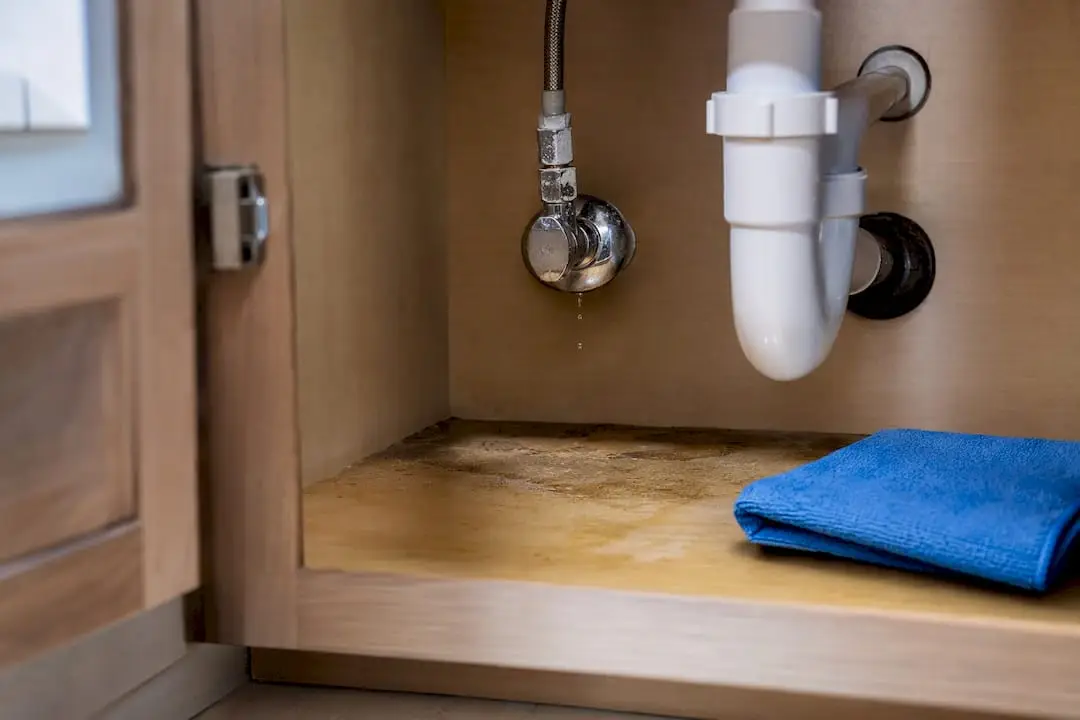
The fix is unglamorous but effective: check under every sink monthly for dampness or mineral staining around pipe joints, and repair a dripping faucet or a loose supply line the week you notice it, not the month you get around to it. Caulk around the tub and toilet base deserves the same urgency. A gap there lets water track down into the subfloor every time it splashes, which is a slower version of the same problem.
If a leak has already been running for a while, dry the area within 24 to 48 hours once you fix it. Waiting longer gives spores enough time to establish, even after the water source is gone.
Do Moisture Absorbers Like Silica Gel Actually Help?
Small moisture absorbers won’t replace a working exhaust fan, but they solve a problem fans can’t reach: the closed, stagnant air inside cabinets, drawers, and linen closets.
Silica gel packets and desiccant tubs work by pulling ambient moisture out of the air chemically, and they’re genuinely useful in spaces where airflow barely exists. Drop a small desiccant container under the sink, inside a linen closet, or in a drawer that holds damp washcloths, and it quietly keeps that pocket of air from turning into a mold incubator. Rechargeable versions, the kind you pop in the microwave or oven to dry out and reuse, cost more upfront but pay for themselves within a season or two compared to buying disposable packets.
Where they fall short is open-air spaces. A tub of desiccant sitting on a bathroom counter does almost nothing against the humidity spike from a hot shower. That’s a volume problem a small absorber physically can’t handle. Think of moisture absorbers as a supplement for the dead zones your ventilation misses, not a substitute for the fan, the hygrometer, or the habit of drying surfaces after use.
Why Towels and Bath Mats Need Regular Washing
Bath mats and towels sit in a hot, humid room and absorb water constantly, which makes them one of the most overlooked mold sources in the entire house. A damp towel folded over a bar doesn’t dry as fast as people assume, especially in a bathroom with weak ventilation, and a bath mat gets stepped on wet multiple times a day without ever fully drying between uses.
Wash bath mats weekly on a hot cycle, and choose ones made from quick-dry materials like microfiber over thick cotton or memory foam, which hold water for hours. Towels should get a full day to air dry on a bar with space between folds, not bunched on a hook where the middle stays damp. If your bathroom is small or poorly ventilated, hang towels somewhere else in the house to dry and bring them back once they’re fully dry, not just surface dry.
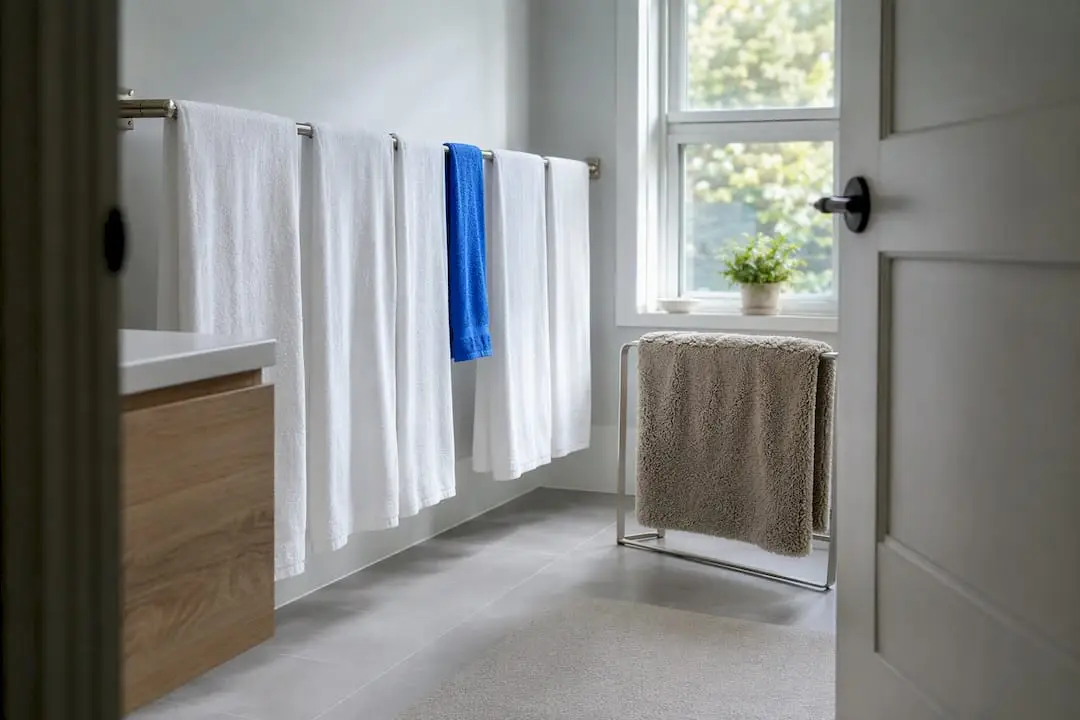
The smell test works better than people give it credit for. A towel that smells even faintly musty already has some level of microbial growth happening in its fibers, and running it through another cycle at a higher heat setting typically resolves it before it becomes a visible problem.
Our Take: Skip the Mold Sprays, Fix the Airflow
The mold prevention industry sells a lot of sprays, gels, and gadgets, but the research keeps pointing back to the same boring answer: airflow and drying time beat every product on the shelf. A $200 mold-resistant shower curtain in a bathroom with a fan that vents into the attic is money wasted. Fix the vent first.
Where conventional advice falls short is treating cleaning and prevention as the same task. Wiping down grout every week without addressing why it’s growing mold in the first place, usually a fan that’s underpowered, undersized, or vented into the wrong place, means you’re managing a symptom forever instead of solving it once. If you do one thing after reading this, test your fan’s actual airflow and confirm where that duct terminates. That single check catches more hidden mold risk than any cleaning product on the market.
For homeowners who’ve done the fixes and still don’t have time to keep up with the weekly wipe-down, that’s a fair trade to outsource. Booking a cleaning is a reasonable choice, not a failure to DIY.
— Local
Sources
FAQ
What Can I Put in My Bathroom to Prevent Mold?
A hygrometer to monitor humidity, quick-dry bath mats instead of plush cotton ones, and a small desiccant container under the sink all help. None of them replace a properly vented exhaust fan, which does most of the actual work.
Will Spraying Vinegar in the Shower Prevent Mold?
Vinegar has mild antifungal properties on some surfaces, but it doesn’t address the humidity and standing moisture that cause mold in the first place. Fixing ventilation and drying time matters far more than any spray-on product.
What Actually Kills Bathroom Mold?
A bleach solution of 1 cup bleach per 1 gallon of water, applied with proper ventilation and PPE, kills mold on hard, nonporous surfaces like tile and grout. Porous materials that stay contaminated often need to be replaced rather than cleaned.
How Do You Prevent Mold From Coming Back in the Bathroom?
Fix the moisture source, not just the visible mold. That means confirming your exhaust fan vents outside, keeping humidity between 30% and 50%, and drying wet surfaces within 24 to 48 hours every time.