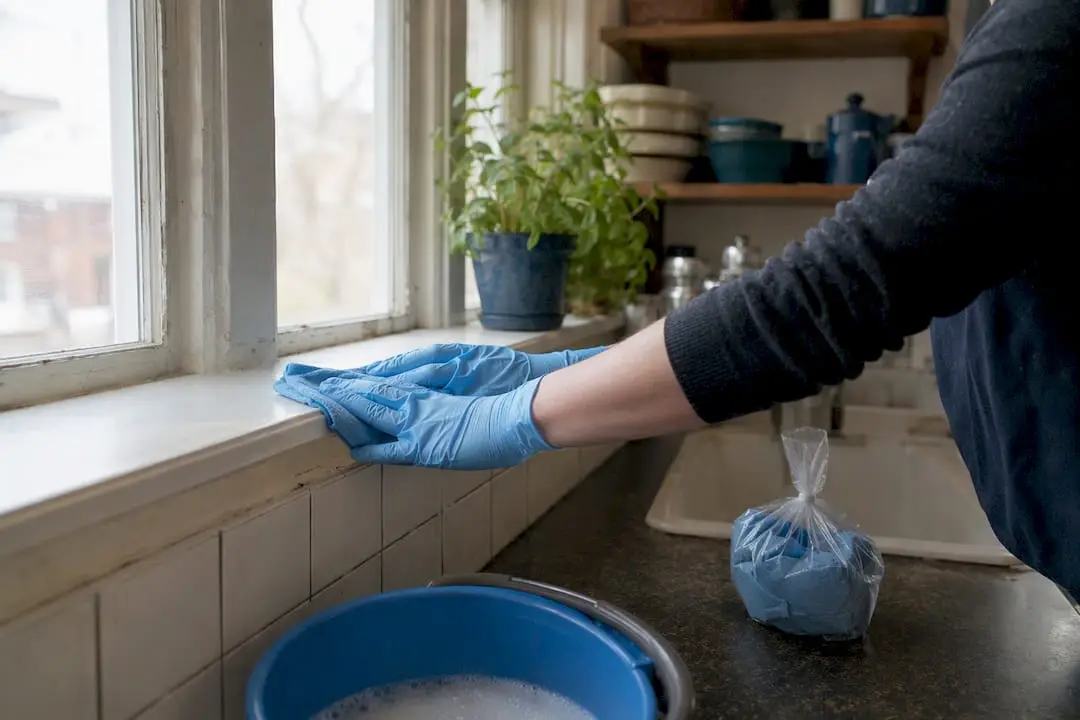
The safest way to handle lead dust starts with one rule: keep children and pregnant people out of the area, then work top-to-bottom, capturing debris before you ever introduce water. HEPA-vacuum visible dust and paint chips first, then wet-wipe every surface with a plain all-purpose detergent, working from the highest surfaces down to the floor. Skip the dry sweeping and skip the household vacuum without HEPA filtration. Once you’ve cleaned, confirm your work with a lead-check wipe kit or a lab-tested sample rather than assuming a clean-looking surface is a lead-free one.
- Remove kids, pregnant household members, and pets from the work area before you start
- Wear gloves and, if dust is visible, an N95 respirator
- Never dry-sweep or use a shop vac without HEPA filtration
According to the CDC, children and pregnant women face the highest risk from lead dust exposure because it settles into carpets, window sills, and floor cracks where hands and toys pick it up easily.
Key Takeaways
Removing lead dust safely requires HEPA vacuuming before wet cleaning, top-to-bottom technique, disposable cloths, and verification testing to confirm the job worked.
| Point | Details |
|---|---|
| Sequence matters most | HEPA-vacuum visible dust first, then wet-clean top-to-bottom; never reverse the order. |
| Ordinary cleaners work | All-purpose detergent is effective; skip specialized chemicals and never mix cleaning products. |
| Disposal prevents recontamination | Bag used cloths for outside trash and flush dirty rinse water down the toilet. |
| Verify, don’t assume | Use a wipe test or lab sample after cleaning, especially following renovation work. |
| Professional help for heavy cases | Pure Homes Cleaning offers trained, safety-first cleaning for DC-area homes facing ongoing lead dust exposure. |
This article is general information, not a substitute for advice from a qualified doctor. Consult a qualified healthcare professional about your own circumstances before acting on anything here.
Table of Contents
- Quick Lead Dust Cleaning Checklist
- Step-by-Step Lead Dust Cleaning Protocol
- Cleaning Lead Dust From Carpets and Upholstery
- Verifying Cleanup After Renovation Work
- Preventing Lead Dust From Building Back Up
- When to Call In a Professional Cleaning Service
- What Homeowners Get Wrong About Lead Dust Cleanup
- A Reliable Option When You’d Rather Not DIY This
- Sources
- FAQ
Quick Lead Dust Cleaning Checklist
Before you touch a single surface, get your supplies together and lock down the space. Rushing this part is how dust ends up spreading to rooms you hadn’t planned to clean.
- Clear the room of children, pregnant occupants, and pets
- Put on gloves and a respirator if dust or chips are visible
- Close doors to adjoining rooms; tape plastic sheeting over vents if you’re cleaning after renovation work
- Gather: HEPA vacuum, all-purpose cleaner, disposable cloths, two buckets, a mop, gloves, and heavy-duty trash bags
- Lay down old towels or plastic at doorways to keep dust from tracking out
Pro Tip: Rent a HEPA vacuum from a hardware store if you don’t own one. A regular vacuum without HEPA filtration can actually blow fine lead particles back into the air instead of trapping them.
Step-by-Step Lead Dust Cleaning Protocol
The logic behind this sequence is simple: capture first, then clean wet, and never let dust get airborne again once it’s down. A peer-reviewed study on lead-contaminated dust removal found that HEPA vacuuming combined with wet cleaning using ordinary all-purpose detergents performs consistently well. You don’t need specialized lead-removal chemicals, and mixing cleaners (bleach with ammonia-based products, for instance) can create dangerous fumes on top of the lead hazard you’re already managing.
Here’s the sequence, in order:
- Prepare the room. Close doors, seal vents if needed, and set out your disposable cloths and buckets.
- HEPA-vacuum first. Run slow, overlapping passes across every hard surface, starting at the top of the room, such as window sills and shelves, and working down to the floor.
- Wet-wipe top to bottom. Dampen a disposable cloth with all-purpose detergent solution and wipe surfaces in the same top-down order. Change cloths between surfaces. Reusing a dirty cloth on a new surface is the single most common mistake homeowners make, since it just moves contamination around instead of removing it.
- Mop floors with the two-bucket method. Fill one bucket with detergent solution and one with clean rinse water. Dip your mop in the cleaning bucket, wring it into the rinse bucket, and mop a small section. Rinse the mop head in the rinse bucket, wring it out, and repeat with fresh solution as the water gets dirty.
- Do a final HEPA pass if needed. For heavily contaminated areas, vacuum once more after everything dries.
The EPA’s guidance on reducing lead exposure backs this exact top-to-bottom, vacuum-then-wet-clean order, and for good reason: wiping dry surfaces first just stirs particles into the air, undoing whatever the vacuum already caught.
Disposal matters as much as the cleaning itself. Bag used cloths and mop heads in a sealed plastic bag and place them in your outside trash, not a household bin that gets emptied indoors. Flush the dirty rinse water down the toilet. Never pour it outside or down a storm drain, where it can recontaminate soil around your home.
Cleaning Lead Dust From Carpets and Upholstery
Soft surfaces trap lead dust differently than hard floors do, and they need their own approach.
- HEPA-vacuum carpets slowly, using multiple passes at different angles to lift particles embedded deep in the fibers
- Skip any vacuum without HEPA filtration when dust or paint chips are visible; it can push fine particles right back into the air
- Never beat or shake a contaminated rug outdoors. That just relocates the dust rather than removing it
- Follow HEPA vacuuming with a professional steam clean for a deeper pass on carpets and area rugs
- Machine-wash removable cushion covers and throws separately from other laundry
- If upholstered furniture shows heavy, visible contamination from chipped paint, replacement is often more practical than repeated cleaning
Verifying Cleanup After Renovation Work
Renovation and repair projects that disturb old paint generate far more lead dust than routine wear ever will, which is why the EPA holds RRP-style projects to a stricter cleanup standard than everyday housekeeping.
- Seal off the work area with plastic sheeting and keep it contained for the entire project, not just the final day, following best practices like those outlined in Dust Control in Cabinet Work: A Guide for Ottawa Pros
- Clean up daily during the job. Don’t let dust accumulate over multiple days of work
- Finish with the same sequence used elsewhere: HEPA vacuum, then wet-wipe, then mop
- Use a cleaning verification card or comparable wipe test to check surfaces against an EPA-referenced cleanliness standard before calling the area safe
- Wait before retesting. Research on particle settling after abatement work shows most airborne lead settles within about an hour in controlled tests, but normal foot traffic and movement can resuspend fine particles, so give the room time to settle before your final check
- If a wipe test fails, re-clean and retest rather than assuming a one-time pass is good enough
| Verification Step | What It Confirms |
|---|---|
| Wipe test / cleaning verification card | Surface dust levels compare against an EPA-referenced standard |
| Lab-tested dust sample | Precise lead concentration for sensitive households or post-abatement clearance |
| Waiting period before retest | Allows resuspended particles to settle before final verification |
Preventing Lead Dust From Building Back Up
Cleaning once solves today’s problem. Keeping it gone takes a few habits that cost you almost nothing in time.
- Wet-wipe window sills, floors, and toys weekly, since these accumulate dust fastest
- Wet-mop hard floors on a regular schedule instead of dry sweeping or dusting
- Put walk-off mats at every entrance and ask household members to remove shoes indoors
- Wipe pets’ paws before they come inside, especially if your yard soil has any history of lead paint exposure
- Wash children’s hands before meals and after outdoor play
- Launder clothes worn during any renovation or cleanup work separately from the rest of your laundry
Pro Tip: Keep a dedicated set of microfiber cloths just for window sills and floor trim. Lead dust tends to concentrate there more than anywhere else in a room, so those surfaces deserve their own cleaning rotation.
When to Call In a Professional Cleaning Service
Some situations go beyond what a determined homeowner with a HEPA vacuum and a mop bucket can reliably fix.
- Visible paint chips or flaking paint anywhere in the home
- A wipe test or lab sample that comes back failing after you’ve already cleaned
- Major renovation or demolition work that disturbed old painted surfaces
- Young children or pregnant occupants living in the home, where the margin for error is smaller
- An ongoing exposure source, like a windowsill that keeps testing positive no matter how often you clean it
Professional crews bring HEPA-grade equipment, trained cleaning protocols, and the ability to document clearance results, something a one-time DIY effort often can’t match.
A heavily contaminated home or a site fresh off a renovation frequently needs professional cleaning and clearance testing, because homeowner equipment and methods don’t always reach the standard a lab test demands.
For routine cleaning or a thorough post-renovation pass, Pure Homes Cleaning serves households across Washington, DC, and the surrounding area with trained crews who follow safety-first protocols on every visit.
What Homeowners Get Wrong About Lead Dust Cleanup
Most advice on this topic treats lead dust like a one-time crisis: something you handle once after a scary test result, then forget. That’s backward. The real risk isn’t the dramatic renovation mess, it’s the slow, invisible buildup on a windowsill that gets wiped with a dry paper towel every few weeks for years. Dry wiping doesn’t remove lead dust. It just relocates it and kicks some of it into the air you breathe.
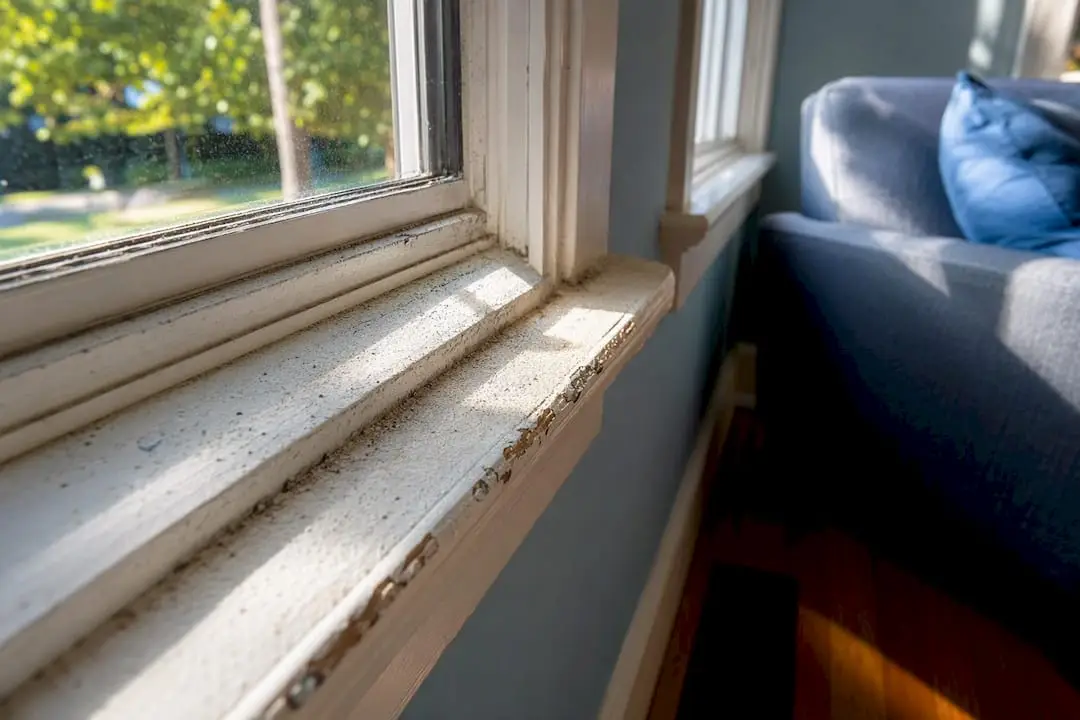
The other blind spot is trusting appearance. A sill can look spotless and still fail a wipe test, because lead particles are microscopic and settle unevenly. If your home was built before 1978 and you’ve never tested a windowsill or floor crack, you’re guessing, not managing the risk.
What actually moves the needle isn’t fancy equipment. It’s discipline: change your cloth between surfaces, work top to bottom every time, and treat verification as part of the job instead of an afterthought. Homeowners who skip that last step are the ones who end up re-cleaning the same room twice.
A Reliable Option When You’d Rather Not DIY This
If reading through this protocol made you realize you’d rather hand the whole job to someone trained for it, that’s a reasonable call, especially with kids or a pregnant household member in the house. Pure Homes Cleaning gives Washington, DC-area homeowners and renters a direct, no-guesswork alternative to piecing together HEPA rentals and buckets on a weekend.

Pure Homes Cleaning builds routine, deep, and move-in/move-out cleaning plans around eco-friendly products and safety-first practices, the same top-to-bottom, wet-cleaning approach outlined above, without you having to source the equipment yourself. Whether you need a one-time post-renovation cleanup or a recurring schedule that keeps dust from building back up between visits, you can browse the full range of cleaning services or book a cleaning online in a few minutes.
Sources
- PMCID: PMC1240988 — Study on removal of lead contaminated dusts from hard surfaces
- CDC — Lead in paint and lead poisoning prevention
- EPA — Actions to reduce potential lead exposure
FAQ
What is the best cleaner for lead dust?
A standard all-purpose household detergent used in a proper wet-cleaning routine works effectively; you don’t need a specialized lead-removal product, and research on lead dust removal supports this approach.
How long does lead dust stay in the air?
Most airborne lead settles within about an hour after disturbance in controlled tests, but normal movement and foot traffic can resuspend fine particles, so it’s worth waiting before doing a final verification wipe.
Does Dawn dish soap remove lead dust?
A general all-purpose detergent designed for household cleaning is the tested and recommended choice; dish soap isn’t the standard guidance, so stick with an all-purpose cleaner for wet-wiping surfaces.
How toxic is lead dust?
Lead dust is highly toxic, and the CDC identifies children and pregnant women as facing the highest risk from ingestion or inhalation exposure.
When should I hire a professional for lead dust cleanup?
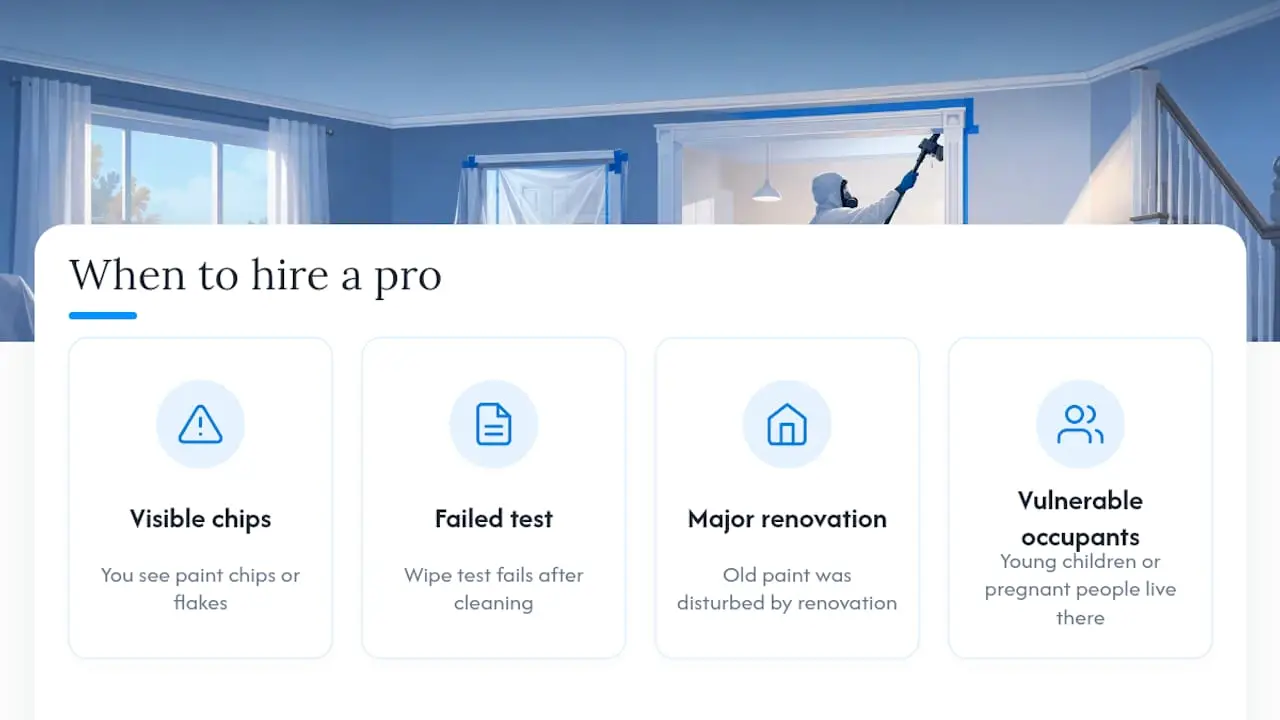
Call a professional if you see visible paint chips, a wipe test fails after cleaning, a major renovation disturbed old paint, or young children or pregnant occupants live in the home; Pure Homes Cleaning serves the Washington, DC, area for these situations.
Recommended
- House Cleaning Results Gallery – Photos of Transformations – Pure Homes Cleaning
- Book House Cleaning Online and Save Time Today – Pure Homes Cleaning
- House Cleaning in Columbia Heights/Petworth Services – Pure Homes Cleaning
- House Cleaning in Navy Yard and Capitol Hill, DC Services – Pure Homes Cleaning