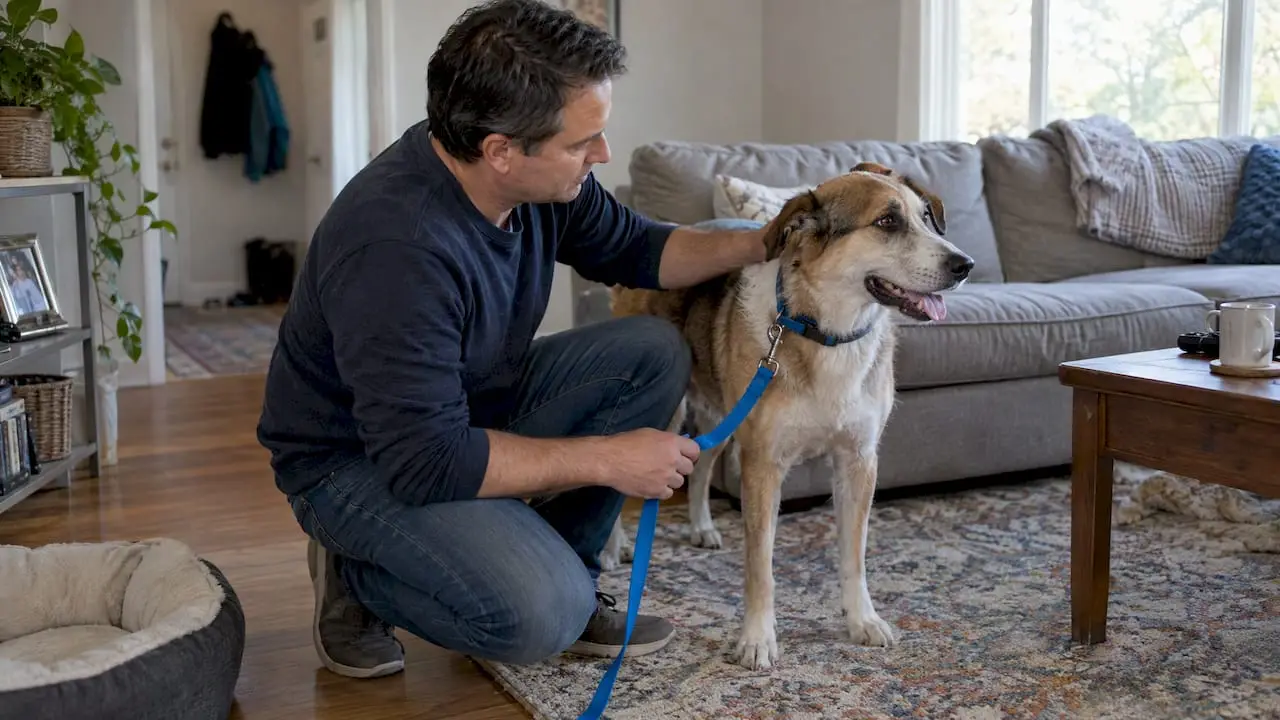
Keep pets completely separated from rooms being cleaned until surfaces are dry and the space is well ventilated. The safest options are a secure room, a crate, outdoor time, or offsite care while cleaners work. This single step, backed by ASPCA poison control data and veterinary guidance, can help reduce the risk of accidental exposures.
TL;DR:
- Before cleaners arrive, secure supplies, trash, food, and chewable items, then prepare a familiar room or crate with water, bedding, and essentials.
- Cats need litter and a hiding place; birds need a separate room during cleaning, while fish tanks should stay covered with filters running.
- Corrosive cleaners can burn tissue after one second of contact, and exposure signs may take up to 24 hours to appear.
- ASPCA poison control calls related to cleaning materials rose 65% in one year, amid more frequent cleaning and home disinfecting.
- Choose a crate, closed room, or daycare based on your pet’s anxiety, health, and appointment length; garages and yards suit brief visits in mild weather.
Table of Contents
- Your 15 to 30 Minute Prep Checklist Before Cleaners Arrive
- How to Handle Dogs, Cats, Birds, Small Mammals, and Fish
- Which Cleaning Products Pose the Biggest Risk to Pets
- Choosing Between a Crate, a Closed Room, Outdoor Time, or Daycare
- What to Tell Your Cleaning Crew and What to Expect
- What Poison Control and Veterinary Guidance Say About Cleaning Risks
- A Realistic Take on Prepping Pets for Cleaning Day
- How We Work Around Your Pets at Pure Homes Cleaning
- FAQ
- Sources
- Hotlines and Pages to Keep Handy
Your 15 to 30 Minute Prep Checklist Before Cleaners Arrive
A short prep routine before your cleaning crew shows up does more to protect your pet than any amount of worrying during the appointment. Most of this takes less time than walking the dog.
Start by clearing the path for the cleaners, then settle your pet into a space that is already comfortable and theirs. Working through this list once before each visit becomes second nature after a couple of cleanings.
- Secure or remove cleaning supplies, dirty mop buckets, and trash can lids so nothing is left within paw’s reach.
- Choose a room or crate for each pet and stock it with water, food or litter, bedding, and a favorite toy.
- Clear counters of food and treats, put away chewable items, and close toilet lids before the crew arrives.
- Write down any special medical or behavioral notes the cleaners should know about.
- Leave your phone number and your veterinarian’s contact information somewhere visible, like the kitchen counter.
Pro Tip: Do this prep the night before for morning appointments. A rushed prep right before cleaners knock raises stress for everyone, including your pet.
If you want a broader room-by-room approach to getting the house ready, our prep checklist covers more than just the pet side of things.
How to Handle Dogs, Cats, Birds, Small Mammals, and Fish
Different pets need different setups, and matching the plan to the species cuts down on stress for the animal and the cleaning crew alike.
- Dogs do best in a crate or secure room with water nearby; for longer cleaning jobs, an extended walk or a few hours at daycare avoids the back-and-forth of moving them room to room.
- Cats generally prefer a closed room with litter, a hiding spot, and a blanket that smells like home; cleaners should never open that door or a carrier without your say-so.
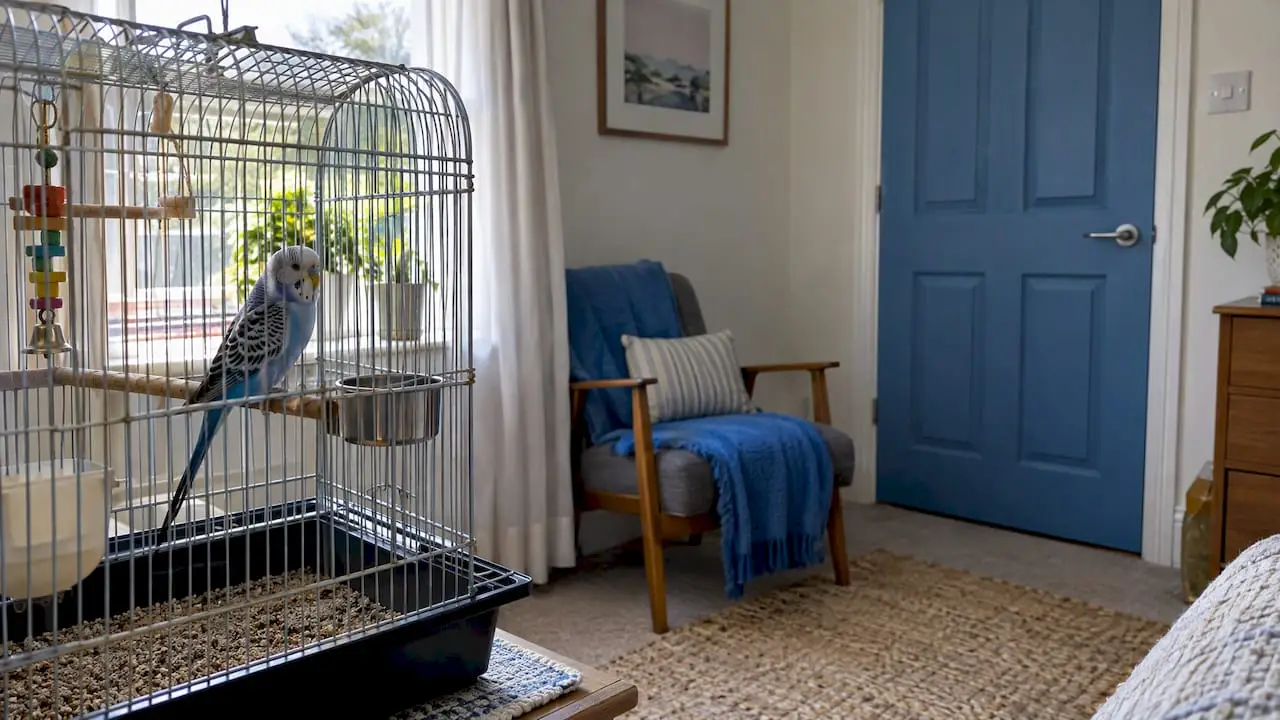
- Birds have delicate respiratory systems, so a closed, separate room for the entire visit is the baseline, and temporary offsite care is worth considering for a deep clean.
- Small mammals like guinea pigs or hamsters need their cages moved out of high-traffic work areas, lids secured, and no aerosol products used nearby.
- Fish tanks should stay covered but running, with filters left on and aerosol cleaners kept well away from the water’s surface.
Cat owners setting up a long-term safe space, not just a cleaning-day one, may find our partner guide on pet-proofing an apartment for cats useful for ongoing setup ideas.
Which Cleaning Products Pose the Biggest Risk to Pets
Not all cleaning products carry the same level of risk, and knowing which ones matter most helps you focus your attention where it counts.
Corrosive products like toilet bowl cleaners, drain openers, oven cleaners, and concentrated solutions can cause chemical burns, with some alkaline products capable of causing tissue damage in as little as one second of contact. Signs of exposure can take up to 24 hours to appear, so a pet that seems fine right after cleaning is not necessarily in the clear.
The bigger everyday risk is secondary ingestion: a pet walking across a still-wet floor, then licking its paws. This is why the core rule matters so much: keep pets out of a cleaned space until surfaces are visibly dry and the room has had several minutes of airflow.
- Rinse pet bowls and toys thoroughly after any disinfecting wipe-down near them.
- Store all cleaning products in their original containers, sealed and locked away from curious noses.
- Skip essential oil diffusers in homes with birds, since even small amounts of certain oils can cause problems for pets.
Calls to the ASPCA Animal Poison Control Center related to cleaning materials rose by 65% in a single year, a jump tied to increased cleaning frequency and home disinfecting habits. That spike is a clear signal that casual handling of cleaning products carries real risk for pets at home.
Choosing Between a Crate, a Closed Room, Outdoor Time, or Daycare
The right setup depends less on convenience and more on your pet’s temperament, health, and how long the cleaning will take.
- Weigh your pet’s anxiety level, any medical conditions, and the length of the cleaning job before picking a spot.
- For a closed room, add water, bedding, and something familiar-smelling, then check that the door latches securely.
- For a crate, include a comfort item like a worn t-shirt and make sure the crate sits somewhere quiet, away from the cleaning noise.
- For daycare, pack food, medication, and a copy of vaccination records if the facility requires one.
- For yard or garage time, check the temperature, fume exposure from stored chemicals, and any gaps a pet could slip through.
Pro Tip: Garages and open yards work for brief stretches on mild days, but they’re a poor fit for long appointments or extreme temperatures.
What to Tell Your Cleaning Crew and What to Expect
A quick rundown for your cleaning crew prevents mix-ups and keeps the visit smooth for both your pets and the people doing the work.
- Tell them how many pets you have, what species, and any relevant behavior notes, like a cat that bolts for open doors.
- Point out rooms that are off-limits and where to find your emergency and veterinary contact numbers.
- Ask about pet-safe or green product options if you have a preference, and confirm whether that changes timing or cost.
Expect a pet-aware crew to take a little extra time working around your animals and to never leave chemicals unattended, even briefly.
What Poison Control and Veterinary Guidance Say About Cleaning Risks
Keeping pets away from wet, freshly cleaned surfaces is a practical precaution.
The 65% rise in cleaning-related poison control calls reported by the ASPCA lines up with separate Pet Poison Helpline guidance on drying and ventilation times. Birds are especially vulnerable to inhaled particles and fumes, so consider keeping them in a separate room or removing them from the home during cleaning.
A Realistic Take on Prepping Pets for Cleaning Day
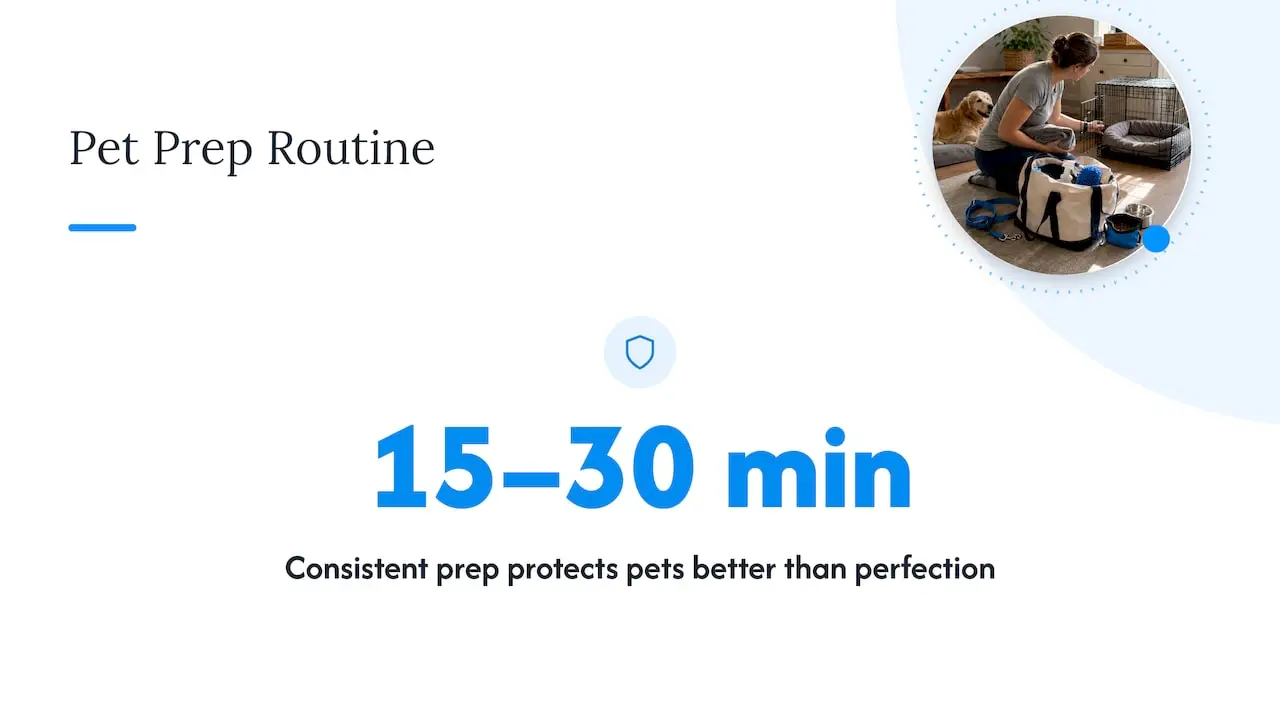
Perfection isn’t the goal here. A focused 15 to 30 minute routine, done consistently, protects your pet far better than an elaborate plan you only follow half the time.
Professional cleaners who work around pets regularly know how to adapt, and your short prep window is genuinely the biggest safety factor you control. For more on keeping things pet-friendly between visits, our guide on cleaning with pets day to day rounds out the picture.
— Local
How We Work Around Your Pets at Pure Homes Cleaning
We use eco-friendly products and follow the pet-specific instructions you leave at booking, whether that means skipping a particular room first or allowing extra drying time before your cat is let back in.

If you want a crew that treats your pet’s routine as part of the job, not an afterthought, you can book online.
- Browse our Standard Cleaning and Deep Cleaning options to pick what fits your home.
- Book your cleaning online.
FAQ
How can I keep my house clean when I have pets?
Regular light cleaning between professional visits, like wiping paws at the door and vacuuming pet hair a few times a week, keeps things manageable. Scheduling a recurring professional clean on top of that routine handles the deeper buildup that daily tidying misses.
What is the 80/20 rule in house cleaning?
The prioritization approach generally refers to focusing your cleaning effort on the areas that get the most use and show dirt fastest, like entryways, kitchens, and pet beds. It’s a prioritization approach rather than a strict cleaning standard.
Can I mop with Fabuloso if I have cats?
Some concentrated cleaners and disinfectant ingredients can pose risks to cats. Check the product label for pet-specific warnings. Keep cats out of the room entirely until the floor is fully dry and the space has aired out.
How do I make my house smell good without harming pets?
Open windows for fresh airflow and wash pet bedding regularly instead of relying on heavy air fresheners or diffused essential oils. Diffusers are especially risky for birds, since their respiratory systems are far more sensitive to airborne particles than those of dogs or cats.
Sources
- Pet poison control calls rise with COVID-19–related cleaning | American Veterinary Medical Association
- Cleaning Products and Pets | Pet Poison Helpline®
- Petpoisonhelpline
- The Essentials of Essential Oils Around Pets | ASPCA
Hotlines and Pages to Keep Handy
- ASPCA Animal Poison Control Center: guidance on common household toxins and hotline access.
- Pet Poison Helpline: cleaning product risks and emergency contact information.
- AVMA report on cleaning-related poison control calls: data on rising pet exposure incidents.