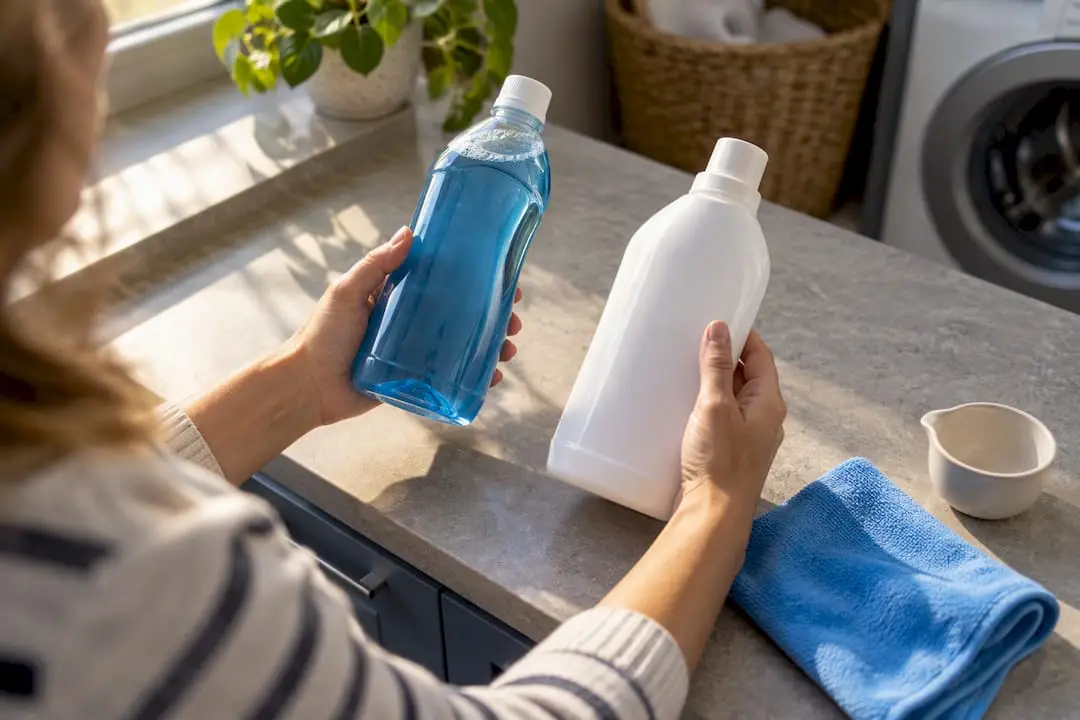
Green cleaning products work about as well as conventional ones for everyday soil and grime, and they typically carry fewer respiratory risks for routine use. The exception is disinfection: when a surface truly needs to be disinfected, you need an EPA-registered disinfectant used for its full contact time, not just a green-labeled spray. Fragrance and vague marketing claims complicate that choice. The comparison below breaks down the health, environmental, and performance differences, then covers exactly when disinfecting is necessary.
TL;DR:
- Green cleaning products typically cost less per use than conventional sprays when diluted properly, but disinfectants for illness control may be more expensive regardless of type.
- Most green cleaners effectively handle routine soil and grime but are not registered to disinfect surfaces, requiring EPA-registered disinfectants for pathogens or bodily fluids.
- Frequent use of spray disinfectants correlates with higher asthma prevalence, and green disinfectants show a smaller but still present association once other irritants are considered.
- Always opt for EPA Safer Choice or DfE-certified products for safety, and verify EPA registration numbers for disinfectant claims to avoid ineffective or unsafe options.
- Avoid mixing cleaning products, especially bleach with ammonia or vinegar, to prevent dangerous fumes, and prefer microfiber and dilute methods to reduce airborne chemical exposure.
Table of Contents
- Comparing health, environmental, and cleaning performance
- When you actually need to disinfect versus just clean
- How to pick a cleaning product with confidence
- Mistakes that cancel out the benefits of either cleaner
- What green cleaning really costs compared to regular products
- How professional cleaners put green methods into practice
- A cleaner home without the chemical guesswork
- Sources
- FAQ
Comparing health, environmental, and cleaning performance
Health outcomes are where the two categories diverge most. Frequent use of disinfecting wipes and sprays has been linked to higher asthma prevalence in some epidemiological research, while green or homemade products showed smaller associations once other exposures were accounted for. That doesn’t make every green product harmless: a 2024 comparison of VOC emissions found that some green cleaners actually released more monoterpenes than regular cleaners, which can react indoors to form secondary pollutants like formaldehyde.
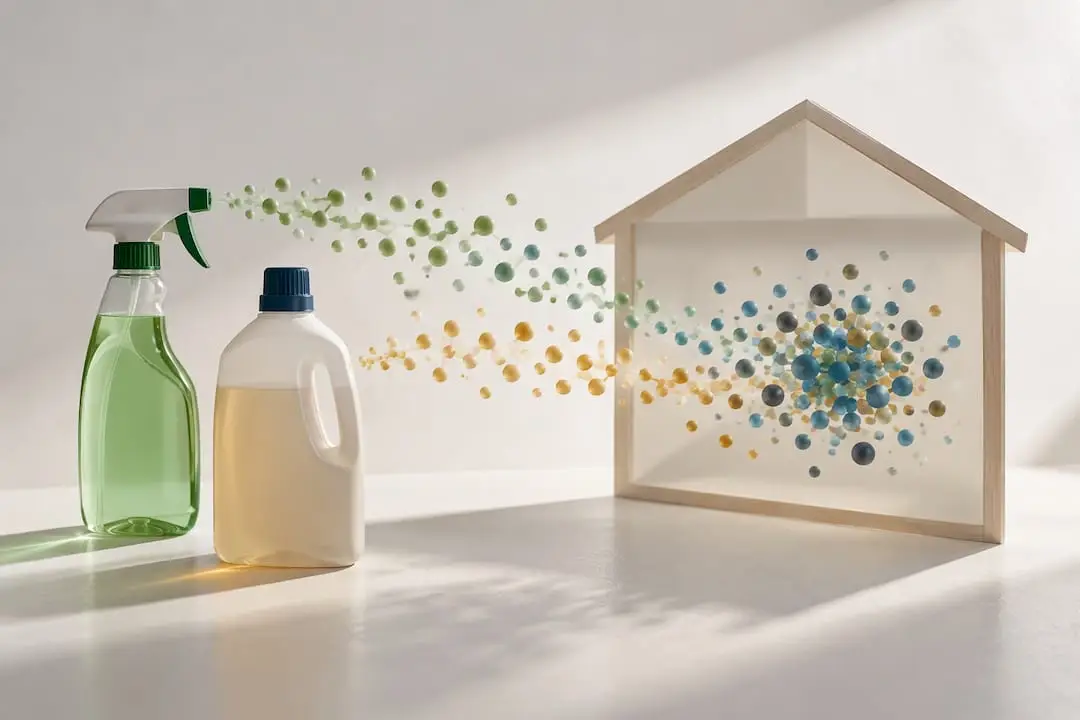
Environmental impact tends to favor green formulations more consistently. Biodegradable surfactants break down faster in wastewater, and many green lines reduce aquatic toxicity and use recyclable or concentrated packaging that cuts shipping volume. Regular cleaners aren’t uniformly worse here, but their ingredient sourcing and packaging are less likely to be optimized for lifecycle impact.
Performance is where expectations need adjusting. Most green cleaners handle everyday soil, grease, and grime as well as conventional ones because cleaning is mostly a physical process of lifting dirt with soap, water, and scrubbing. Disinfecting is different: it requires a product registered to kill specific pathogens, and plenty of green cleaners are not formulated or registered for that claim.
- Routine dust, counters, and floors: green or regular both work, so pick based on health and scent tolerance.
- Grease and soap scum: either category with a degreasing agent will cut through it.
- Flu season, illness in the home, or bodily fluids: you need a disinfectant, green-labeled or not.
Weekly use of spray and wipe disinfectants correlates with higher asthma prevalence scores in large cohort analyses, a pattern that shrinks for green products once other irritant exposures are factored in.
When you actually need to disinfect versus just clean
The CDC draws a clear line: cleaning removes dirt and most germs through soap, water, and physical scrubbing, while disinfecting kills specific pathogens and is reserved for higher-risk situations. You don’t need to disinfect every counter every day.
Disinfecting matters when:
- Someone in the household is sick, especially with a contagious illness.
- A surface has contacted bodily fluids, raw meat, or another contamination source.
- High-touch surfaces (doorknobs, light switches) see heavy traffic during cold and flu season.
Always clean visibly soiled surfaces first. Organic matter blocks disinfectants from working and extends the contact time needed. For bleach, that generally means keeping the surface visibly wet for at least a minute unless the label says otherwise. Ventilate the room, wear gloves, and never mix bleach with ammonia or acidic cleaners, since the combination produces toxic gas.
Pro Tip: Check the label for an EPA registration number before assuming a product disinfects. If it isn’t there, the product cleans but doesn’t kill germs on a registered list.
How to pick a cleaning product with confidence
Look for EPA Safer Choice or Design for the Environment (DfE) certification, which flags formulations that limit chemicals tied to carcinogenicity, reproductive toxicity, and high VOC content. Neither certification confirms a product disinfects: any antimicrobial claim requires separate registration under federal pesticide law, so a Safer Choice label and a disinfectant claim are answering two different questions.
Read the front label carefully. “Cleaner” means it lifts dirt. “Sanitizer” and “disinfectant” mean it’s registered to reduce or kill specific germs, and the fine print will list exactly which ones and for how long you need to leave it wet.
- Choose fragrance-free formulas if anyone in the home has asthma or sensitivities, since fragrance is a common trigger for respiratory irritation.
- Buy concentrates over ready-to-use sprays; you dilute them yourself and typically pay less per cleaning.
- Test a small bottle before committing to a full case, especially with a new scent or formula.
“Green” is a marketing term more than a regulatory guarantee, according to the EPA’s guidance on greener cleaning products, which is why the certification badge matters more than the word on the front label.
Mistakes that cancel out the benefits of either cleaner
The most dangerous mistake is mixing products, particularly bleach with ammonia or acidic cleaners like vinegar, which releases toxic fumes. Keep products separate and never combine “just to be safe.”
Overusing sprays is a quieter problem. Spraying and wiping concentrates airborne chemical exposure compared with applying a cleaner to a damp microfiber cloth first, and it wastes product without cleaning any better.
- Don’t assume “green,” “natural,” or “plant-based” means disinfectant. Check for an EPA registration number if killing germs is the goal.
- Store cleaning products up high or locked away from children and pets, and keep them in original containers so labels stay legible.
- Ventilate the room when using anything with a strong odor, disinfectant or not.
- Dispose of chemical cleaners according to local hazardous waste guidance rather than pouring concentrates down the drain.
Pro Tip: Switch from spray bottles to a bucket-and-cloth method for daily wiping. It cuts airborne exposure and usually cleans just as well.
What green cleaning really costs compared to regular products
Concentrated green cleaners often come out cheaper per use than ready-to-use conventional sprays once diluted correctly, since you’re paying for active ingredient rather than water and packaging. Industry guidance on cleaning versus disinfecting notes that this cost advantage shows up consistently once households dilute concentrates properly instead of buying convenience formats.
Where the trade-off flips is disinfection. A registered disinfectant may cost more or carry stronger odor and skin warnings than a green all-purpose cleaner, but during illness in the home, that’s the product the CDC’s guidance calls for.
- Simple soap-and-water or vinegar-water solutions clean most surfaces well but are not registered disinfectants.
- Concentrates reduce cost-per-application and storage space compared with single-use sprays.
- Hiring a professional who already stocks Safer Choice certified products and EPA-registered disinfectants removes the guesswork of matching product to task.
How professional cleaners put green methods into practice
Professional cleaning crews apply eco-friendly products differently than a quick home wipe-down: correct dilution ratios, systematic room order, and color-coded cloths that prevent cross-contamination between bathrooms and kitchens. Pure Homes Cleaning builds its Standard Cleaning and Deep Cleaning around eco-friendly products for routine work, while reserving stronger, registered options for situations that call for actual disinfection rather than surface cleaning.
In practice, that means microfiber and diluted concentrates for counters and floors, dedicated cloths for high-touch surfaces, and ventilation built into the workflow rather than an afterthought. Booking through an online scheduling system lets clients specify pet-safe or fragrance-free preferences ahead of the visit.
— Local
A cleaner home without the chemical guesswork
If you’d rather not sort certifications and contact times yourself, some professional cleaning services handle this with trained staff and eco-friendly products safe for families and pets, whether you need a one-time refresh or a recurring plan. Busy households, pet owners, and anyone managing asthma or fragrance sensitivity may notice a difference with such cleaning approaches.

| Reader situation | Why it fits |
|---|---|
| Pet owners | Trained staff use pet-safe, eco-friendly products by default |
| Fragrance or asthma sensitivity | Green product lines reduce irritant exposure during cleaning |
| Busy households | Recurring plans remove the need to track products or schedules |
Book a Standard Cleaning or Deep Cleaning online in a few minutes and skip the label-reading altogether.
Sources
- Cleaning and disinfecting: Preventing the spread of illness — CDC
- Association of household cleaning product use with asthma — PMC
- Selected EPA-registered disinfectants — U.S. EPA
FAQ
Is green cleaning more expensive than regular cleaning?
Not usually. Concentrated green cleaners often cost less per use than ready-to-use conventional sprays once diluted correctly, according to industry cost comparisons. Disinfectants needed for illness or contamination may cost more regardless of category.
What are common green cleaning mistakes?
The biggest mistake is assuming a green label means the product disinfects, when many green cleaners are formulated only for cleaning. Overusing spray bottles instead of diluting concentrates properly also wastes product and increases airborne exposure.
Are green cleaners effective for everyday cleaning?
Yes, for routine dirt, grease, and grime, green cleaners generally clean as well as conventional ones since cleaning relies on physical scrubbing with soap and water. They are not automatically effective as disinfectants unless specifically EPA-registered for that claim.
What do professional cleaners recommend never doing at home?
Never mix bleach with ammonia or acidic cleaners like vinegar, since the combination creates toxic gas. Professionals also avoid relying on sprays alone, favoring damp microfiber cloths and proper ventilation to limit chemical exposure.