During flu season, wash your hands often, disinfect high-touch surfaces daily, and isolate any sick household member right away. That combination, backed by CDC guidance, reduces household spread more than any single step alone. The checklist and room-by-room protocol below walk you through exactly how to do it, and where a cleaning service like Pure Homes Cleaning fits if you need extra hands.
TL;DR:
- Focus daily cleaning on entryways, kitchen, bathroom, living areas, and shared electronics, disinfected with 70% alcohol wipes for electronics.
- Prioritize cleaning and disinfecting high-touch surfaces immediately after contact with sick individuals, with proper contact time and PPE use.
- Use appropriate disinfectants like EPA-registered products, dilute household bleach, or 70%+ alcohol, avoiding chemical mixing and surface damage.
- Handle linens carefully, wash on the warmest setting, and avoid shaking to prevent airborne particles; vacuum after disinfecting hard surfaces.
- Improving airflow through ventilation or air purifiers complements surface cleaning, as influenza viruses survive longer in poorly ventilated spaces.
Table of Contents
- Your daily checklist for high-touch surfaces
- How to clean a sick room without spreading germs further
- Cleaning versus disinfecting: picking the right product
- Laundry and soft surfaces that hold onto germs
- Why fresh air matters as much as a clean countertop
- What to keep stocked before flu season hits
- When it makes sense to call in a professional cleaner
- What actually matters most this flu season
- Let Pure Homes Cleaning handle the deep work
- FAQ
- Sources
Your daily checklist for high-touch surfaces
Flu viruses travel through the air and on hands, which means the surfaces your family touches most often deserve the most attention. You do not need to disinfect the whole house daily. You need to hit the right spots consistently.
Group your cleaning by zone so nothing slips through; for year-round guidance, see this Four-Season Care resource for seasonal home-care tips.
- Entryway: doorknobs, light switches, keys, and the mail pile.
- Kitchen: faucet handles, refrigerator door, cabinet pulls, and countertops.
- Bathroom: faucet handles, toilet flush lever, and towel bars.
- Living areas: remote controls, game controllers, tablets, and shared phones.
- Shared electronics: keyboards, mice, and light switches in home offices.
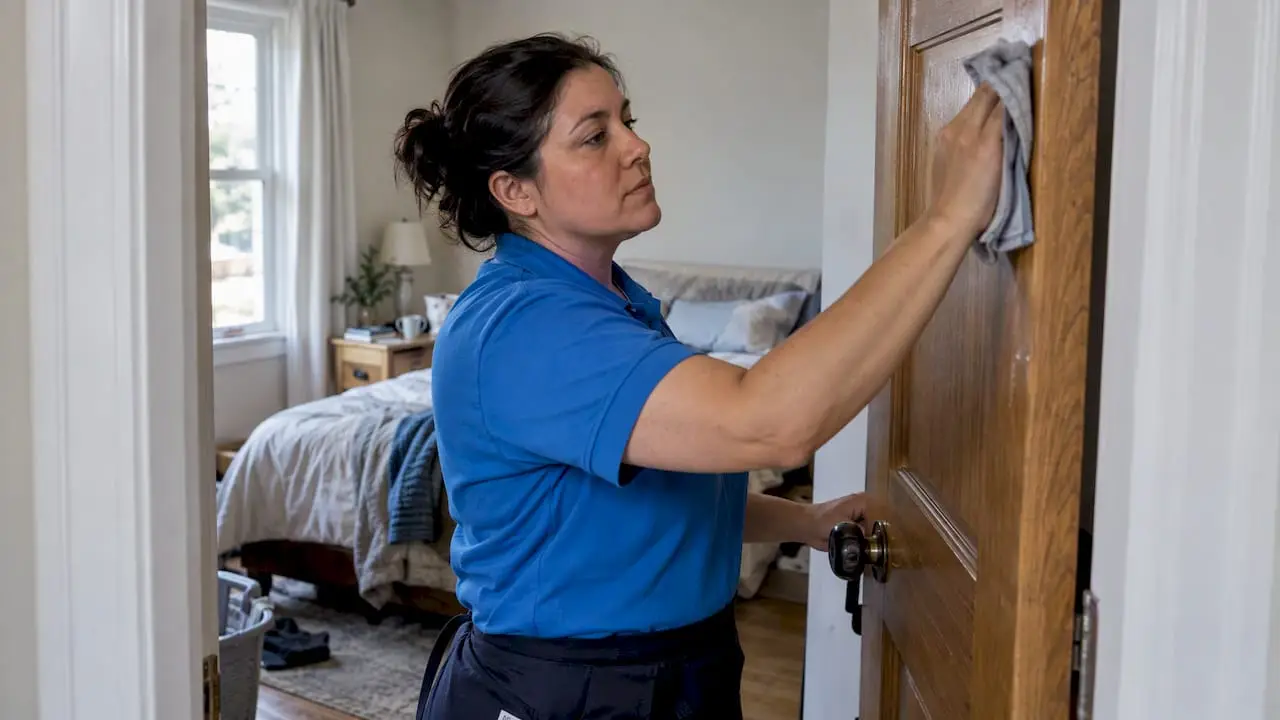
Clean these once a day during flu season, and again immediately after visitors leave or after contact with someone who is sick. For electronics, skip liquid sprays. Use a 70%+ alcohol wipe and let surfaces air dry instead of pooling liquid near ports or seams.
If you want a more detailed, service-level walkthrough of exactly which surfaces matter most and how often to hit them, the full high-touch surface protocol covers it room by room. Pair this daily habit with the spring cleaning checklist for a full-home maintenance rhythm once flu season eases.
How to clean a sick room without spreading germs further
When someone in your home comes down with the flu, your cleaning routine needs to shift. The CDC notes that flu is most contagious during the first three days of illness, so isolation and careful cleaning matter most right at the start.
- Pick one room for the sick person to stay in and limit visitors to that space.
- Have the sick person wear a mask when others are nearby, and the caregiver should do the same when entering.
- Remove visible soil first with a cloth and soap or detergent before disinfecting anything.
- Apply an EPA-registered disinfectant or a proper bleach solution, and let it sit for the contact time listed on the label.
- Put on disposable gloves before handling laundry, dishes, or anything with bodily fluids.
- Remove gloves without touching the outside surface, discard them, and wash your hands immediately.
- In the bathroom, disinfect after each use when possible, or wait the label’s recommended contact time before cleaning if that is not realistic.
- Use a dedicated trash bin lined with a bag in the sick room, and keep a separate hamper for their linens.
- Avoid shaking dirty laundry before washing to limit particles becoming airborne.
Pro Tip: Keep a small caddy stocked with gloves, wipes, and a lined trash bag just outside the sick room so you are not tracking supplies back and forth.
Cleaning versus disinfecting: picking the right product
Cleaning removes dirt and germs with soap and water. Disinfecting kills germs that remain on a surface. The CDC explains that routine cleaning is enough for most healthy households, while disinfecting matters more once someone is sick or a family member has a weakened immune system.
Reach for one of these depending on the surface:
- EPA-registered disinfectants: sprays or wipes labeled for viruses, used exactly per the label’s contact time.
- 70%+ isopropyl alcohol: best for phones, remotes, and other electronics.
- Diluted household bleach: 5 tablespoons (1/3 cup) per gallon of water, or 4 teaspoons per quart, left wet on the surface for several minutes with the room ventilated.
Never mix bleach with ammonia or vinegar, since the combination produces dangerous fumes. Check that bleach will not damage the surface first, and always confirm the product has not expired.
A peer-reviewed lab study found that dilute bleach, vinegar, and even low concentrations of dish soap rapidly inactivated influenza A in testing, which means you do not need specialty products, just correct dilution and enough contact time.
Laundry and soft surfaces that hold onto germs
Fabric, carpet, and upholstery can harbor flu virus for shorter periods than hard surfaces, but they still need attention when someone in the house is sick.
- Handle soiled linens gently, avoid shaking them, and wear gloves or wash your hands right after.
- Wash with the warmest water setting the fabric allows, then dry completely. Washing a sick person’s items together with the rest of the family’s laundry is generally fine.
- For items that cannot go in the washer, spot-clean or steam-clean when possible, or set them aside until the household recovers.
- Vacuum carpets and upholstery after disinfecting nearby hard surfaces, and let everything dry fully before anyone settles back into the room.
Why fresh air matters as much as a clean countertop
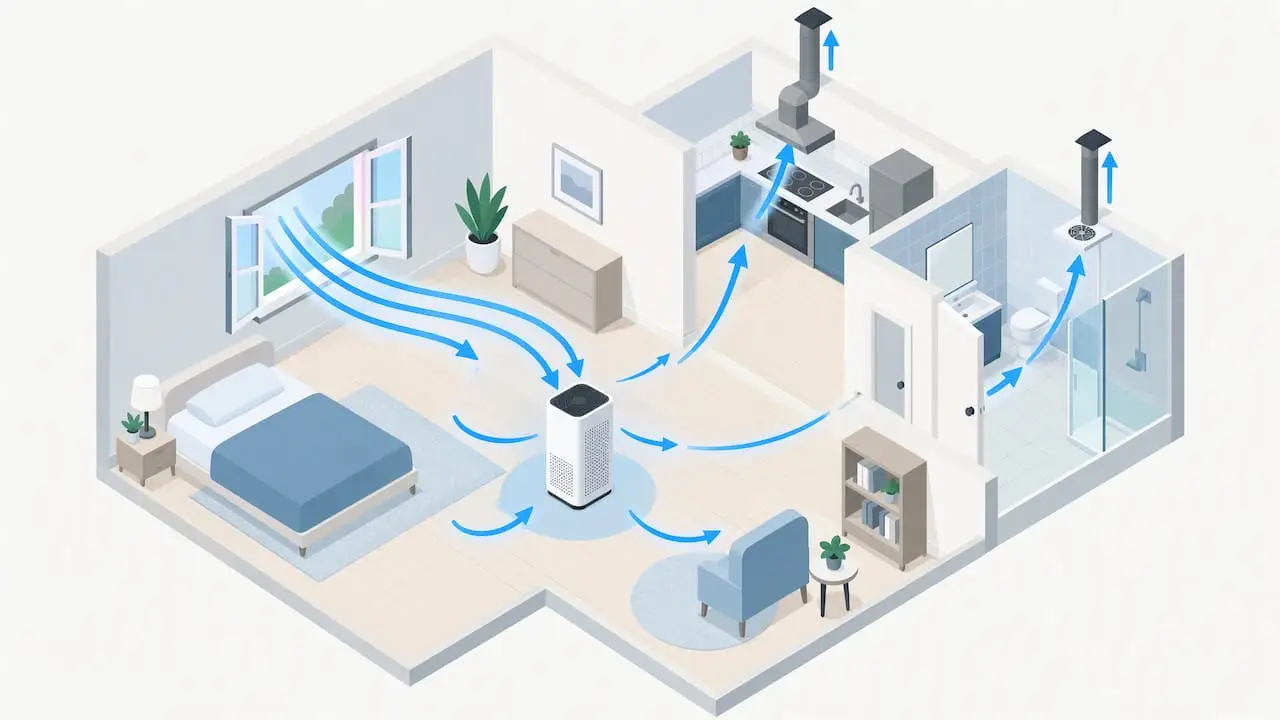
Surface cleaning only addresses half the problem. The CDC’s ventilation guidance notes that improving airflow at home reduces how concentrated viral particles get indoors, which complements whatever disinfecting you are already doing.
A few low-cost habits make a real difference. Run exhaust fans in the kitchen and bathroom, open windows when the weather cooperates, and let a room air out for about an hour after visitors or a sick family member leaves it. If your home has mediocre airflow, a portable HEPA air purifier placed in frequently used rooms, away from walls and corners, helps thin out whatever is floating in the air between cleanings.
What to keep stocked before flu season hits
Having supplies ready before anyone gets sick saves you a frustrating drugstore run mid-illness.
- Soap, 60%+ alcohol hand sanitizer, EPA-registered disinfectant wipes or spray, household bleach, disposable gloves, tissues, and lined trash bags.
Check expiration dates before flu season starts, store bleach in a cool spot with the cap sealed, and never combine cleaning chemicals. Ventilate the room while you work with any strong-smelling product. If your budget is tight, a basic detergent paired with a proper bleach dilution works just as well in lab testing as many name-brand sprays.
Pro Tip: Buy one extra bottle of bleach before flu season peaks. Running out mid-illness means improvising, and improvising with cleaning chemicals is exactly when mistakes happen.
When it makes sense to call in a professional cleaner
Deep cleaning after an illness, caring for a high-risk household member, or simply not having the time or physical ability to scrub every high-touch surface are all good reasons to bring in help. A large home multiplies the workload fast, and a thorough post-illness clean is easy to underdo on your own.
A responsible cleaning service should offer insured staff, products chosen with disinfection in mind, trained procedures for high-touch areas, and clear online booking with transparent policies. Pure Homes Cleaning builds its residential cleaning services around exactly that kind of reliability, with eco-friendly products and customizable plans for households that want consistency without guesswork.
What actually matters most this flu season
Most flu-season advice overloads readers with product lists and ignores the one variable that moves the needle most: contact time. A disinfectant wiped on and off in ten seconds does almost nothing, no matter how strong the label claims it is. The habit that matters more than any product choice is isolating the sick person early and sticking with hand hygiene, since both interrupt transmission before it ever reaches a surface.
The conventional advice also treats every room as equally urgent, which wastes effort. A bathroom door handle and a bedroom bookshelf are not the same risk. Prioritize the entry points, shared electronics, and bathroom fixtures, and let lower-touch areas wait for your regular cleaning schedule.
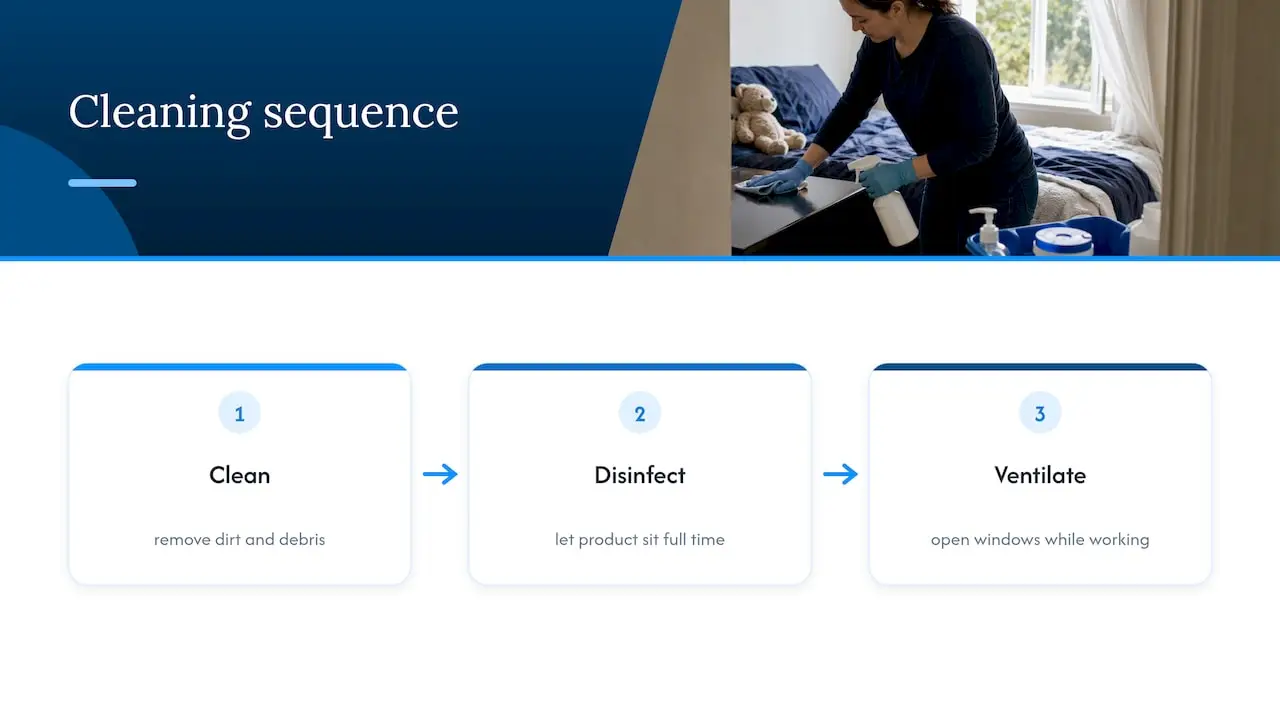
If you take one thing from this guide, let it be sequencing: clean before you disinfect, let products sit for their full contact time, and ventilate while you work. Skipping any one of those steps quietly undoes the other two.
— Local
Let Pure Homes Cleaning handle the deep work
If flu season has left your home overdue for a real reset, Pure Homes Cleaning offers Standard Cleaning, Deep Cleaning, and Move In or Move Out cleans built around the same high-touch priorities covered above.
- Check coverage and book a Standard or Deep Cleaning appointment online.
- Compare options on the Standard vs Deep Cleaning page if you are not sure which fits your household.
- Schedule directly through Pure Homes Cleaning’s booking page with insured, eco-friendly-product teams handling the details.
This article is general information, not a substitute for advice from a qualified doctor. Consult a qualified healthcare professional about your own circumstances before acting on anything here.
FAQ
How to sanitize a house after flu naturally?
Dilute household bleach (5 tablespoons per gallon of water) or white vinegar can inactivate influenza A on surfaces, according to laboratory testing. Clean visible soil first with soap and water, then apply the solution and let it sit for several minutes before wiping or air drying.
How long do flu germs live in your house?
Survival time depends on the surface. A surface survival study found influenza A remained infectious for extended periods on wood, stainless steel, plastic, and cloth surfaces under experimental conditions.
Is it okay to clean the house while I’m sick?
Light cleaning is fine if you feel up to it, but wear a mask near others and wash your hands frequently throughout. The CDC recommends isolating as much as possible during the first three days of illness, when you are most contagious, so save deep cleaning tasks for a healthy household member if you can.
What is the germiest place in your house?
High-touch items like doorknobs, light switches, faucet handles, and shared electronics tend to carry the most germs because hands touch them constantly throughout the day. Disinfecting these spots daily, and immediately after a sick family member uses them, addresses the biggest risk areas first.
Sources
- Cleaning and Disinfection: Hand hygiene & environmental cleaning | CDC
- Effectiveness of Common Household Cleaning Agents in Reducing the Viability of Human Influenza A/H1N1 – PMC
- The survival of influenza A(H1N1)pdm09 virus on 4 household surfaces – PubMed