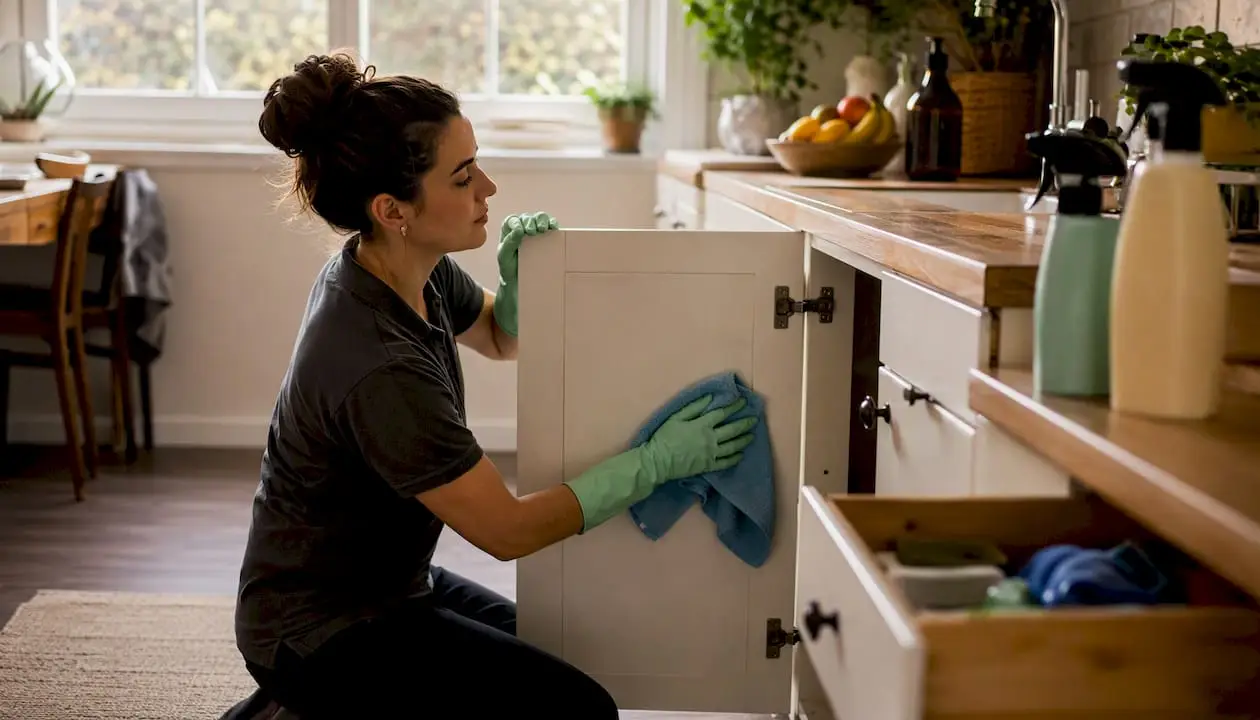
A deep clean resets an occupied home; a move-out clean prepares an empty one for inspection. If you’re staying put and just need to tackle grime buildup, book a deep clean. If you’re leaving a rental and want your deposit back, book a move-out clean. If you’re moving into a new place, either works, but ask for the move-out checklist version, since it covers more ground.
Key Takeaways
Deep cleaning resets hygiene in an occupied home, while move-out cleaning follows an inspection checklist in an empty one to protect your deposit.
| Point | Details |
|---|---|
| Match the service to occupancy | Choose deep cleaning if you’re staying, move-out cleaning if you’re leaving. |
| Move-out cleaning goes further | It covers inside cabinets, appliances, and window tracks that deep cleaning may skip. |
| Add-ons cost extra | Inside-oven, inside-fridge, and carpet steaming are common upsells worth budgeting for. |
| Documentation protects deposits | Bring a cleaning receipt and photos to your final walkthrough. |
| Purehomescleaning customizes both | Book deep cleaning or move-out cleaning with add-ons through Purehomescleaning’s online scheduling. |
Table of Contents
- Deep Cleaning vs Move Out Cleaning: Where They Overlap
- What Is Deep Cleaning?
- What Is Move Out Cleaning?
- Deep Cleaning vs Move-Out Cleaning at a Glance
- Which Service Fits Your Situation
- What to Expect on Time and Cost
- Your Deposit-Protection Checklist
- A Provider’s View on Choosing Between the Two
- How Pure Homes Cleaning Handles Both Jobs
- Sources
- FAQ
Deep Cleaning vs Move Out Cleaning: Where They Overlap
Both services go well past a standard weekly clean. A deep clean and a move-out clean both scrubs baseboards, wipe vents, detail bathrooms tile-to-grout, and get into corners a quick tidy skips entirely.
The overlap exists because both jobs target buildup that accumulates over months, not days. Neither is designed for a home that’s already maintained weekly. Typical shared tasks include:
- Scrubbing bathroom tile, grout, and fixtures
- Wiping baseboards, door frames, and light switches
- Dusting ceiling fans and air vents
- Detailed floor cleaning, including edges and corners
- Wiping down kitchen counters and cabinet exteriors
Thorough cleaning like this does more than make a home look better. According to research on household cleaning and infection control, removing built-up dust, allergens, and contaminants from surfaces meaningfully lowers exposure risk for the people living there, which is one reason both service types dig deeper than routine upkeep.
What Is Deep Cleaning?
Deep cleaning is an intensive service performed in an occupied, lived-in home. Its goal is to reset hygiene and strip away buildup that daily or weekly cleaning never reaches. Think of it as the difference between wiping a counter and pulling the toaster aside to clean underneath it.
A typical deep clean covers:
- Kitchen: inside the microwave, exterior of oven and fridge, backsplash, under the sink
- Bathrooms: grout scrubbing, exhaust fans, behind the toilet, shower tracks
- Bedrooms and living areas: baseboards, window sills, light fixtures, under accessible furniture
- Whole-home extras: ceiling fans, vents, door frames, switch plates
Add-ons like inside-oven cleaning, inside-fridge cleaning, or carpet steaming usually cost extra, but they’re worth requesting if it’s been longer than six months since anyone tackled them. Grease inside an oven or mineral buildup on tile responds much better to targeted degreasers and enzyme cleaners than to a general all-purpose spray, which is part of why professionals bring separate products for these jobs instead of one bottle for everything — see Tips for Living at Home | Kitchen Remodel in Tampa for advice on managing cleaning during kitchen projects.
The U.S. Department of Housing and Urban Development points to routine deep sanitation as a core part of keeping mold, pests, and allergens under control in a home. That’s a strong argument for scheduling a deep clean seasonally, not just when things look visibly dirty.
Pro Tip: Clear countertops and surfaces of small items the night before your deep clean is scheduled. Every minute your cleaner spends moving clutter is a minute not spent actually cleaning, and decluttering first can shave real time off the job.
What Is Move Out Cleaning?
Move-out cleaning is a checklist-driven service performed in an empty home, built around one goal: passing a landlord’s inspection and protecting your security deposit. It’s a deep clean’s more thorough, more paranoid cousin, and it targets the exact spots that inspectors check.
Because the home is vacant, cleaners can access areas that furniture or belongings normally block:
- Inside every cabinet and drawer, kitchen and bathroom alike
- Interior of oven, fridge, microwave, and dishwasher
- Window tracks, door tracks, and closet shelving
- Behind and underneath major appliances
- Tops of doors, door frames, and cabinet tops
- Baseboards and walls, checked for scuffs
Landlords commonly scan for grease residue in ovens, mildew in refrigerator seals, dust on closet shelves, and grime in window tracks during a final walkthrough. A step-by-step approach to appliance interiors, like the buildup inside a microwave, catches exactly the kind of detail a rushed cleaning misses and an inspector notices.
Many professional cleaning companies structure move-out service around an auditable, inspection-standard checklist precisely because booking a generic deep clean for a move-out risks skipping items landlords specifically look for, like cabinet interiors or behind-appliance grime.
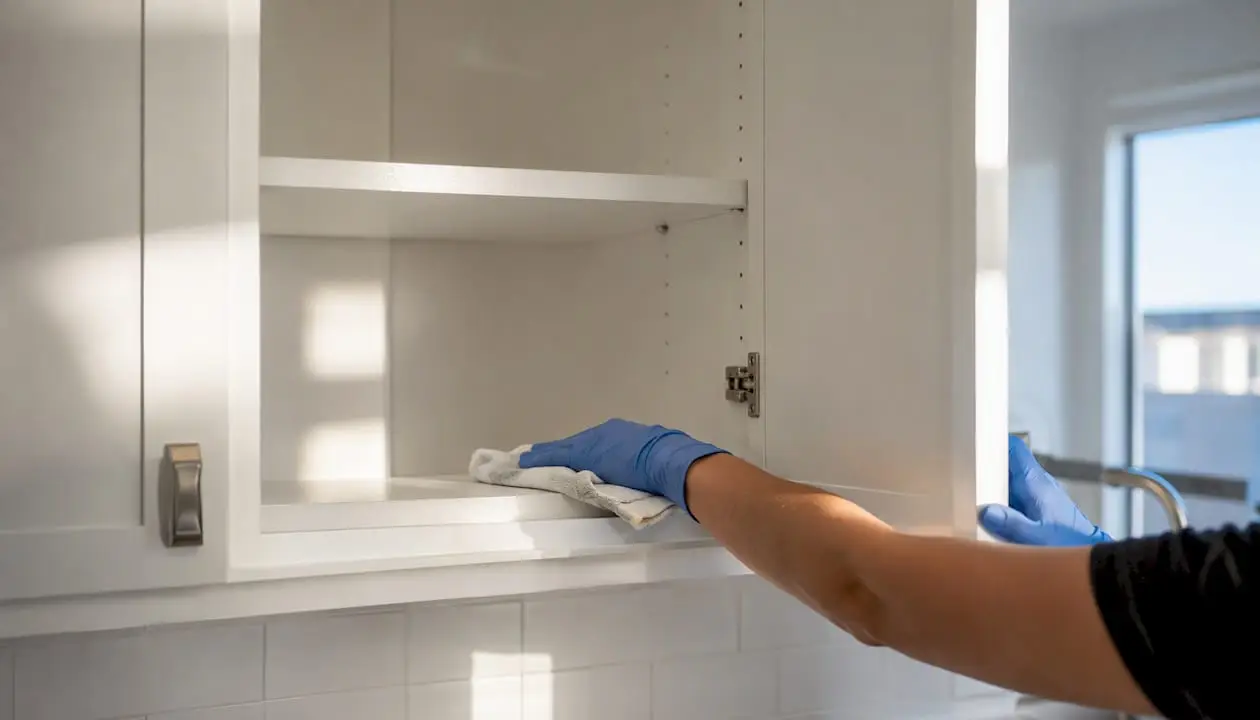
Pro Tip: Ask your cleaning company for a receipt and, if possible, before-and-after photos. Bring both to your final walkthrough. A landlord is far less likely to dispute a deduction when you can show exactly what was done and when.
Deep Cleaning vs Move-Out Cleaning at a Glance
The difference between deep cleaning and move-out cleaning comes down to occupancy and intent. Here’s the quick breakdown:
- Purpose: deep cleaning resets hygiene in a lived-in space; move-out cleaning prepares an empty unit for inspection
- Occupied vs empty: deep cleaning works around furniture and belongings; move-out cleaning accesses everything, including inside cabinets and behind appliances
- Typical tasks: move-out cleaning adds interior-appliance and inside-cabinet work that a deep clean often skips unless requested
- Time required: move-out cleaning generally takes longer per square foot since every surface is exposed
- Who pays: homeowners pay for their own deep cleans; move-out cleaning cost is typically the tenant’s responsibility unless the lease states otherwise
Quick rule: if you’ll still be living there tomorrow, book a deep clean. If you’re handing over keys, book a move-out clean.
Which Service Fits Your Situation
- Tenants leaving a rental should book move-out cleaning, not a standard deep clean. Your deposit is on the line, and landlords check cabinet interiors, window tracks, and appliance interiors that a general deep clean may not include unless you specify them upfront.
- Homeowners doing a seasonal reset or dealing with allergies should book a deep clean. You’re staying in the home, so the goal is hygiene and allergen reduction, not inspection readiness.
- Landlords and property managers should schedule move-out cleaning between tenants and consider a deep clean afterward if the unit will sit vacant for a while before the next move-in. Lease terms typically dictate who pays. Many leases require the outgoing tenant to cover professional cleaning, while landlords absorb the cost of periodic deep cleans as part of upkeep.
What to Expect on Time and Cost
A studio or one-bedroom deep clean typically takes a few hours; larger homes can take significantly longer depending on size and condition. Move-out cleaning generally requires more time than typical deep cleaning for the same property, as it covers additional detailed areas not always included in deep cleaning.
Pricing depends heavily on condition, square footage, and add-ons rather than a flat number. Ovens caked in grease, neglected fridges, or homes that haven’t seen a deep clean in over a year all add time and cost. Common add-ons worth budgeting for:
- Inside-oven cleaning
- Inside-fridge cleaning
- Carpet steam cleaning
- Trash and debris removal
- Wall spot cleaning for scuffs and marks
When requesting quotes, ask for a checklist-based estimate rather than a flat hourly rate guess, and request before-and-after photos if the company offers them. Using the right product for the right task, a degreaser for an oven versus an enzyme cleaner for organic stains, cuts labor time and often keeps your bill lower than a generic all-purpose approach.
Your Deposit-Protection Checklist
Before your final walkthrough, confirm: cabinets and drawers are wiped inside and out, appliance interiors are spotless, window and door tracks are debris-free, and you have photos plus a receipt in hand.
Pro Tip: Ask any cleaning company upfront whether they follow an inspection-standard checklist for move-outs, and schedule the clean for the day after you move out but before your walkthrough, so nothing gets re-dirtied.
A Provider’s View on Choosing Between the Two
We’ve cleaned enough occupied homes and empty rentals to know the two jobs test different things: one tests thoroughness, the other tests whether nothing gets missed. Pure Homes Cleaning offers online booking, eco-friendly products, and local service across Washington, DC, Virginia, and Maryland.
How Pure Homes Cleaning Handles Both Jobs
Whether you need a hygiene reset or a deposit-protecting move-out clean, Purehomescleaning builds the checklist around your specific goal instead of running one generic routine for every job. That distinction matters: a homeowner staying put needs allergen and buildup removal, while a tenant leaving a rental needs inside-cabinet, inside-appliance, and window-track detail that satisfies a landlord’s inspection.

Purehomescleaning’s deep cleaning and move-out cleaning options are customizable, so you can add inside-oven, inside-fridge, or carpet steaming to either service without hunting down a separate provider. If a rental deposit is on the line, ask about receipts and documentation. Having proof of a professional, checklist-based clean in hand at your walkthrough gives you leverage if a landlord tries to dispute a deduction. Ready to figure out which one fits your move or your next reset? Book your cleaning online and get a checklist-based estimate before anyone sets foot in your home.
Sources
- Cleaning and infection control in the home (NCBI Bookshelf)
- The best cleaning products (Money)
- How to clean a microwave (Reader’s Digest)
- Apartment move-out cleaning: difference vs deep cleaning (ZipRecruiter article)
FAQ
What is the difference between a move-out clean and a deep clean?
A deep clean refreshes an occupied home’s hygiene, while a move-out clean is a checklist-driven service for an empty home focused on passing a landlord inspection.
Are tenants responsible for deep cleaning when moving out?
Tenants are typically responsible for move-out cleaning specifically, not a standard deep clean, since lease terms usually tie deposit return to inspection-ready conditions rather than general upkeep.
What is the difference between a clean and a deep clean?
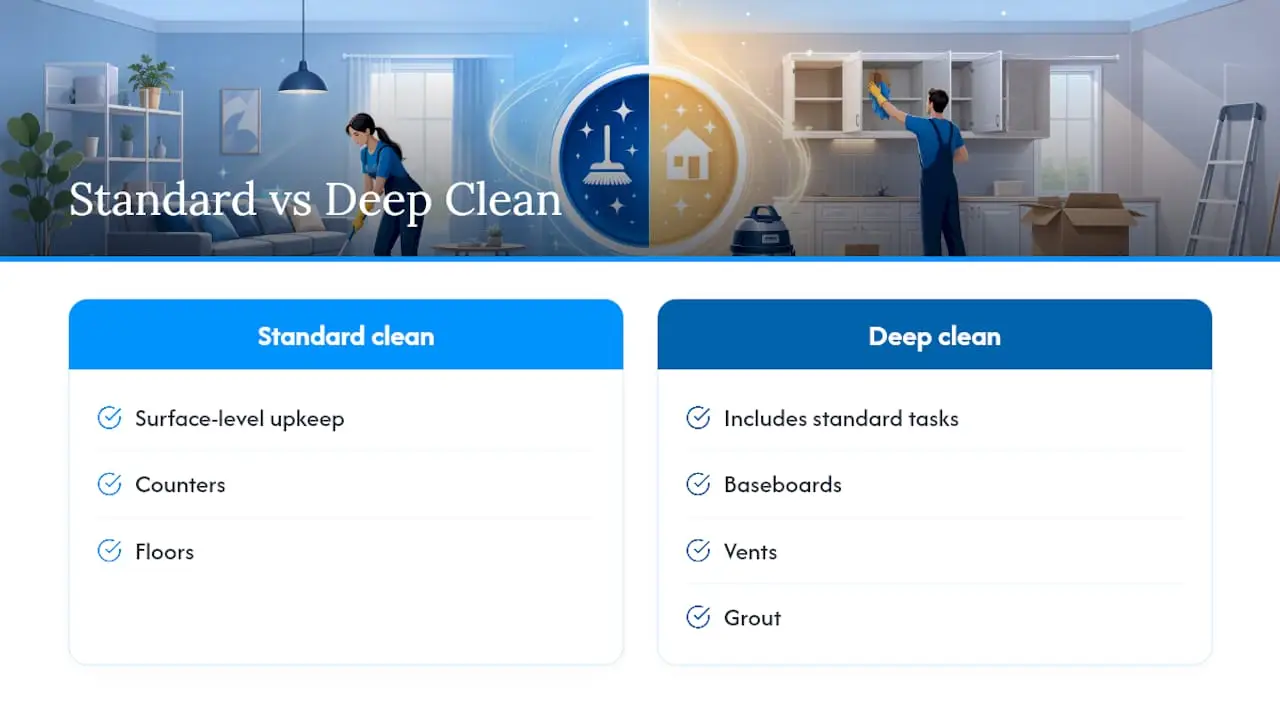
A standard clean covers surface-level upkeep like counters and floors, while a deep clean adds detail work such as baseboards, vents, grout, and behind-furniture areas that routine cleaning skips.
Should you deep clean before or after moving?
If you’re leaving a rental, clean after you’ve moved everything out so the cleaner can access cabinets, appliance interiors, and closets that furniture would otherwise block.