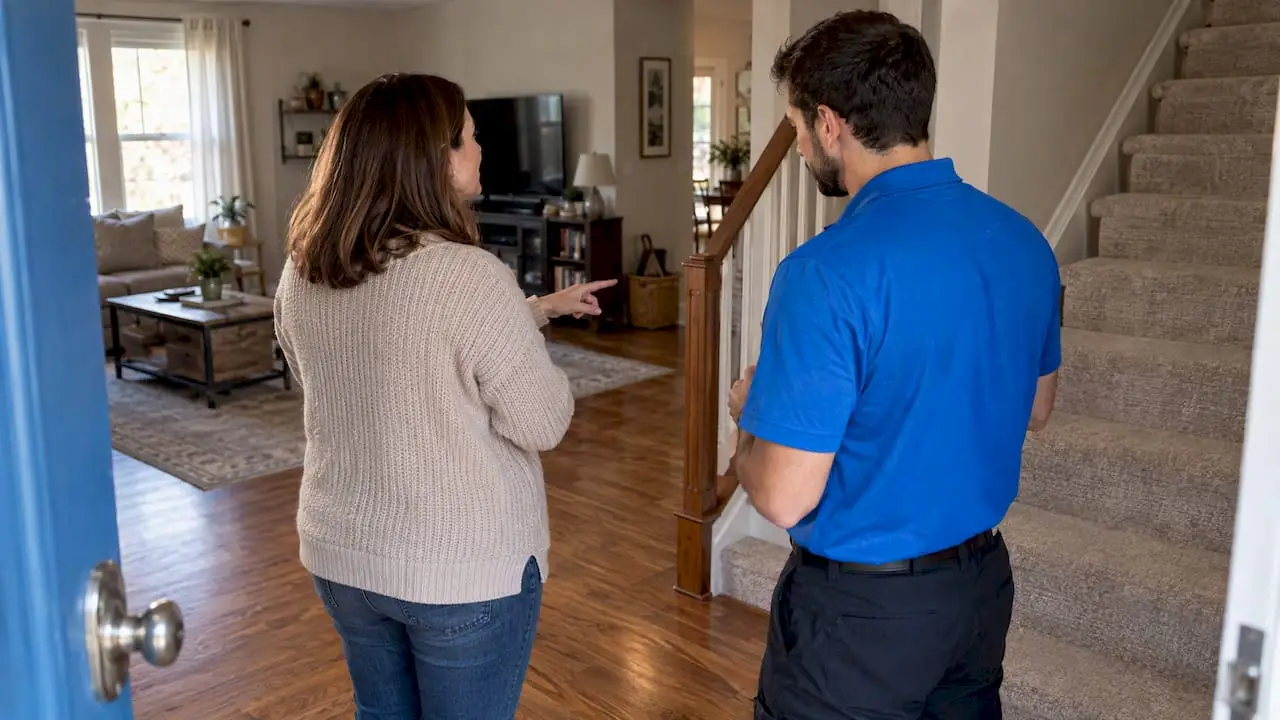
A cleaning service walkthrough is an on-site inspection where a provider assesses a space before quoting, and it exists to produce one thing: an accurate, comparable scope that turns into a reliable quote. Done right, it protects you from vague pricing and mismatched expectations before the first clean ever happens.
TL;DR:
- Walkthroughs should include detailed notes on surface condition, traffic levels, and special needs, not just room size, to ensure accurate pricing.
- Prepare a floor plan, access details, and any restrictions beforehand, and assign the space manager to attend with the provider for clarity.
- Proposals must clearly list included and excluded tasks, service scope, and pricing assumptions to enable direct comparison between bidders.
- Standard recurring cleans focus on basic surface and sanitizing tasks, while add-ons like deep cleaning or move-out services require explicit, separate line items.
- Use consistent, task-level checklists for every bidder and insist on a firm first-service date to prevent scope misunderstandings later.
Table of Contents
- What to inspect zone by zone during the walkthrough
- What to have ready before the walkthrough begins
- How walkthrough notes turn into a priced quote
- Making bidder proposals genuinely comparable
- How a practitioner checklist looks in practice
- What experience teaches about running a good walkthrough
- How we handle your walkthrough and first clean
- FAQ
- Sources
What to inspect zone by zone during the walkthrough
A good walkthrough moves room by room instead of skimming the whole space at once. Walk each zone with the provider and note condition, not just square footage, because surface type and traffic level drive labor far more than size alone.
Cover these zones on every walkthrough:
- Entrances and reception areas, including mats, glass doors, and high-touch handles
- Offices or bedrooms, noting furniture density and clutter
- Kitchens or breakrooms, including appliance exteriors and interiors
- Restrooms, with fixture count and grout condition
- Floors, separated by surface: hardwood, tile, carpet, or vinyl
- Windows and glass, interior versus exterior access
- Storage, closets, and waste or recycling areas
- Exterior entries, porches, and walkways
For each zone, record the approximate area, surface material, foot traffic level, and any special equipment or chemical needs a surface might require. A grout-heavy bathroom or a kitchen with heavy grease buildup takes longer than a lightly used guest room, even at the same square footage.
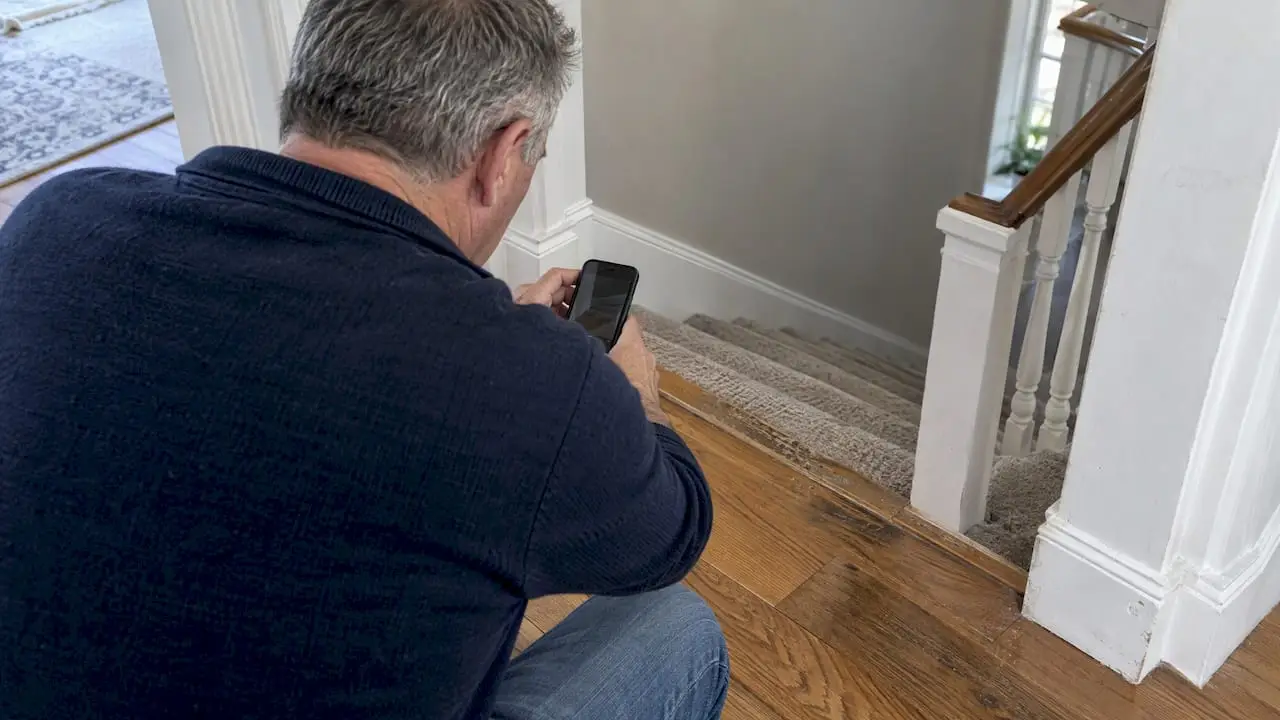
Take photos as you go. A photo settles disputes later about what “clean” meant at the time of inspection, and it gives a provider something concrete to price against instead of a memory. If a floor plan exists, mark it up live during the walk. Labeling each zone directly on the plan, rather than relying on a verbal list afterward, cuts down on the back-and-forth that delays a final quote.
What to have ready before the walkthrough begins
Providers scope labor and scheduling from what you bring to the table, so arrive prepared rather than improvising on the spot.
Have these on hand:
- Floor plan or at least an approximate square footage breakdown
- Current operating hours and any peak or quiet periods
- An existing task list, if one exists, and your desired cleaning frequency
- Access details: keys, codes, parking, and who lets the crew in
- Any site rules, inductions, or contractor requirements
- Current waste or consumable supply arrangements, if applicable
Flag restricted rooms, live operations, or anything requiring personal protective equipment up front rather than mid-walk. If a space has pets, allergy concerns, or areas off limits during certain hours, say so before the inspection starts.
Whoever manages the space day to day should attend, since they know the real pain points. Morning walkthroughs tend to show spaces at their most representative state, and most walkthroughs run 20 to 45 minutes depending on size.
How walkthrough notes turn into a priced quote
Every observation from the walkthrough maps to a cost input; for example, many homeowners use an air duct cleaning checklist for homeowners to understand expectations around HVAC and duct inspection during such evaluations. Square footage and surface type drive labor hours, traffic level affects how often a space needs attention, and anything requiring special equipment, like upholstery extraction or hard-floor buffing, adds a line item.
Most providers separate recurring cleaning from periodic add-ons. A standard clean typically covers surface wiping, vacuuming, and bathroom and kitchen sanitizing, while deep cleaning, carpet shampooing, window washing, and floor refinishing usually appear as separate charges. Move-out cleans often carry their own add-on list entirely, since the expectations differ from routine upkeep.
Watch for these pricing shapes:
- A flat rate regardless of square footage, which usually means shallow detail
- Frequency discounts that disappear if you skip a visit
- Mobilization fees for first-time access setup or key cutting
- Separate charges for high-access windows or restricted areas
Pro Tip: Ask every bidder to list inclusions and exclusions in the same order, zone by zone, so you can compare line by line instead of guessing what’s bundled.
A proposal that skips exclusions entirely is a red flag. Ask directly what is not included before signing anything.
According to recommendations from the Building Service Contractors Association International, a structured pre-bid walkthrough helps define what “clean” means for a given facility and traffic pattern, which keeps bids from drifting apart on scope alone.
Making bidder proposals genuinely comparable
Once you have walkthrough notes, require the same written items from every bidder. Without this, you end up comparing apples to oranges dressed up as quotes.
Ask each proposal to spell out:
- Included areas, tasks, and frequencies, zone by zone
- Explicit exclusions, not just inclusions
- Service window and whether staff work solo or in teams
- Who supplies equipment and chemicals
- How inspections and issue rectification work
- Proof of insurance and staff vetting
- Mobilization steps and a firm first-service date
- Price assumptions and what triggers a price change
Government custodial specifications offer a useful model here. The National Custodial Specification calls for a cleaning schedule, a cleaning plan, and a Quality Control Plan covering inspection methods, documentation, and corrective action, exactly the kind of structure that makes residential bids comparable too.
Run the identical checklist past every shortlisted provider and compare answers side by side. If proposals still look vague after that, ask for a task-level breakdown, request site photos from their own walk, or schedule a rewalk before committing.
How a practitioner checklist looks in practice
A working checklist maps directly to the type of clean being quoted. Standard cleans focus on surfaces, floors, and bathroom and kitchen sanitizing on a recurring basis. Deep cleans add baseboards, inside appliances, grout, and detailed dusting that a routine visit skips.
Move-out cleans carry their own priority list, since the goal is deposit return rather than general upkeep:
- Oven interior, range hood, and stovetop grease buildup
- Baseboards and floor edges where dust collects unnoticed
- Inside cabinets, drawers, and closets, fully emptied
- Window tracks and sills, often overlooked in routine cleaning
- Bathroom grout and fixture buildup
Readers preparing for a move-out inspection can work through a full move-out cleaning checklist to see exactly what a landlord walkthrough typically checks before releasing a deposit.
Online booking, published customer reviews, and a clear mobilization date before the first visit are the operational signals worth expecting from any provider you shortlist.
What experience teaches about running a good walkthrough
Do a joint walkthrough with every provider on your shortlist using the exact same checklist. Switching questions between providers is how you end up comparing quotes that were never actually scoped the same way.
Don’t accept vague scope language like “general cleaning included.” Push for task-level detail: which surfaces, how often, and what triggers an extra charge.
Photos and floor plan references aren’t optional extras, they’re how you settle disagreements three weeks into a contract when someone claims a task “was never included.” Insist on a written mobilization date too. A provider who can’t commit to a first-service date during the walkthrough usually can’t commit to one afterward either.
— Local
How we handle your walkthrough and first clean
We offer standard cleaning and deep cleaning for households across Washington, DC, Virginia, and Maryland, along with move-in and move-out cleans built around the same checklist approach described above. Our trained, insured staff use eco-friendly products that are safe for families and pets, and every plan can flex to a one-time visit or a recurring schedule.
Requesting a walkthrough is simple: book online and tell us what rooms and frequency you’re considering, and we’ll confirm scope before the first visit so there are no surprises on invoice day. If you’re moving out, our move-out cleaning checklist shows exactly what we prioritize to help with deposit return.
Ready to get started? Book your cleaning now and we’ll walk you through scope and scheduling before your first appointment.
FAQ
What is the 5-5-5 rule for cleaning?
The 5-5-5 rule isn’t a formally documented cleaning standard, and definitions vary depending on who’s using the term. A common informal version suggests spending five minutes each on three quick zones, but no primary cleaning authority codifies it as a fixed rule.
What are the 7 stages of cleaning?
There’s no single universal 7-stage standard across the cleaning industry, though many providers follow a general sequence: dust, declutter, clean surfaces top to bottom, address kitchens and bathrooms, vacuum, mop, and finish with glass or detail work. The order matters more than the count, since each stage should avoid re-soiling a space already cleaned.
What is the correct order of cleaning tasks?
Clean from top to bottom and dry to wet: dust high surfaces first, then wipe counters and furniture, then vacuum, and mop last. This order keeps debris from settling onto surfaces you’ve already finished.
What is the 80/20 rule in house cleaning?
High-traffic, high-visibility areas, like entryways, kitchens, and bathrooms, create most of the perceived dirtiness in a home. Focusing effort there first tends to deliver the biggest visible improvement before moving to lower-impact zones.
Should a walkthrough include disinfecting or just cleaning?
Routine cleaning with soap or detergent is generally enough to reduce germ spread in most homes, according to CDC guidance. Disinfecting is better reserved for high-touch surfaces after illness or in higher-risk situations, and any disinfectant used should follow its label’s contact time instructions rather than being wiped off early.
Sources
- When and how to clean and disinfect a facility | CDC
- 5 tips for how to bid on a commercial cleaning contract | BSCAI