Carpet shampooing is sometimes bundled into deep cleaning or move-in and move-out packages, but it’s rarely part of a standard routine clean and often shows up as a priced add-on instead. The one detail worth locking down before you book is drying time: carpets need roughly 24 to 48 hours to dry fully, and skipping that step raises the risk of mold and lingering odors.
TL;DR:
- Ask providers to name their method: hot water extraction, rotary shampooing, or low moisture bonnet cleaning, since each reaches different depths and leaves different residue.
- Compare quotes by pricing unit, minimum charge, furniture moving fees, and stain or pet odor treatment costs; heavily soiled carpets may cost more.
- Ask whether the provider uses fans or dehumidifiers, and request low VOC products plus ventilation afterward to limit moisture and cleaning chemical emissions.
- Clear floors, secure pets, and flag stains before crews arrive; confirm whether heavy furniture moving is included, since workers may move only light pieces.
Table of Contents
- What carpet shampooing actually includes
- Is carpet shampooing part of a combined deep clean?
- What does professional carpet shampooing typically cost?
- How drying time affects mold risk and indoor air quality
- Preparing for a combined deep clean with carpet shampooing
- How to pick a provider for shampooing and deep cleaning together
- A local cleaner’s take on combined carpet shampooing
- Book a deep clean or move cleaning that fits your carpet needs
- FAQ
- Sources
What carpet shampooing actually includes
“Carpet shampooing” gets used loosely, so it helps to know what’s actually happening underneath the carpet when a crew says they’re including it. There are three common methods, and they are not interchangeable.
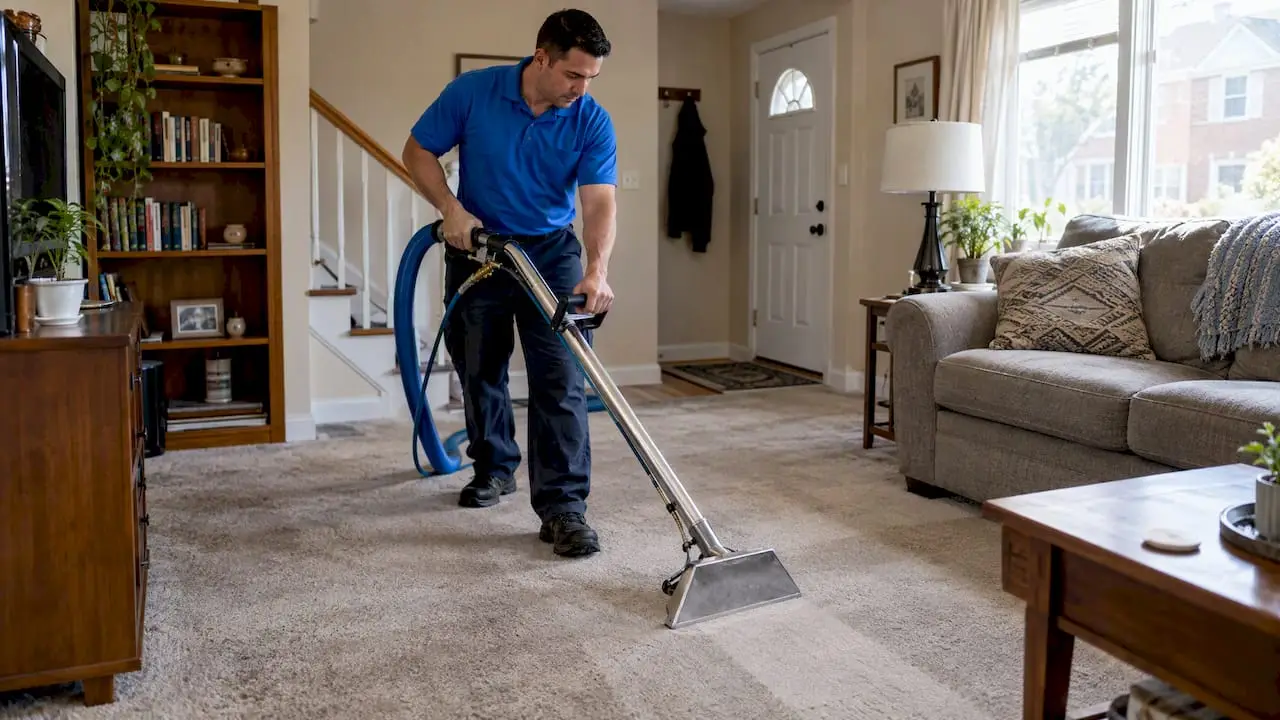
Hot-water extraction, often called steam cleaning, injects hot water and a cleaning solution into the carpet fibers, then pulls it back out with strong suction. Shampooing with a rotary scrub machine works a foaming solution into the pile with a rotating brush before extraction removes the residue. Low-moisture bonnet or encapsulation cleaning uses less liquid and a spinning pad to lift surface dirt, drying faster but reaching less deep into the pile.
Most professional jobs, regardless of method, follow a similar sequence:
- Pre-vacuuming to remove loose dirt and debris before any liquid touches the carpet
- Spot treatment on visible stains using a targeted solution
- Application of the cleaning solution across the carpet
- Agitation, either by brush or machine, to work the solution into the fibers
- Extraction or wet-vacuuming to pull out the dirty solution
- Grooming the pile so it dries evenly and looks uniform
- Drying time, which is the step most often left out of a quoted estimate
When you’re comparing quotes, ask providers to specify their method rather than just saying “shampooing.” Some companies use “steam cleaning” and “shampooing” as marketing synonyms for hot-water extraction, while others genuinely mean a rotary shampoo process. The distinction matters because drying times and residue levels differ between methods.
Is carpet shampooing part of a combined deep clean?
A routine or standard home cleaning almost never includes carpet shampooing. Routine visits focus on surfaces, bathrooms, kitchens, and general tidying, and carpets typically get vacuumed rather than wet-cleaned.
Deep cleans and move-in or move-out packages are a different story. Some providers fold carpet shampooing into these larger services, especially for move-out cleans where landlords expect carpets to look refreshed before a deposit is returned. Others treat it strictly as an add-on with its own line-item price, even within a deep clean.
A few things to look for when reading a service description or booking page:
- Whether the listing says “carpet cleaning included” or just mentions carpets being vacuumed
- Whether pricing is per room, per square foot, or a flat minimum charge for the visit
- Whether heavily soiled carpets, pet stains, or odor treatment carry a surcharge
- Whether the quote separates furniture-moving labor from the cleaning cost itself
If a listing is vague, call or message the provider before booking rather than assuming shampooing is covered. Our own Standard Cleaning and Deep Cleaning pages spell out what’s included in each service type, which is the kind of detail worth checking on any provider’s site before you commit.
What does professional carpet shampooing typically cost?
Carpet shampooing pricing depends on a handful of variables, and understanding them helps you compare quotes that actually mean the same thing.
- Area size. Larger homes and apartments cost more simply because there’s more carpet to treat, and many providers price per room or per square foot.
- Carpet condition. Heavily soiled, stained, or pet-affected carpets often carry a surcharge because they need extra pre-treatment or repeat passes.
- Travel and minimum charges. Some companies set a flat minimum for a single room or small apartment, regardless of square footage.
- Add-ons. Pet-odor neutralizers, stain guard or protective coatings, and upholstery cleaning are usually priced separately from the base carpet service.
Costs vary widely by provider, carpet size, and condition, so treat any number you see online as a starting point for comparison rather than a fixed figure. A single room will cost less than a whole apartment, and heavily soiled carpets or pet-odor treatment will push the total higher than a basic clean.
Pro Tip: Ask every provider for the same breakdown, a per-room or per-square-foot rate, any minimum charge, and the cost of stain or odor add-ons, so you’re comparing apples to apples instead of guessing at what’s bundled in.
To keep quotes comparable, ask each provider for: the pricing unit (room, square foot, or flat rate), whether furniture moving is included, whether pre-treatment for stains or pets costs extra, and what the estimated drying time will be.
How drying time affects mold risk and indoor air quality
Drying matters more than most people expect when they book carpet shampooing. The EPA’s mold remediation guidance recommends drying carpets and the backing underneath within 24 to 48 hours, because damp carpet left longer than that becomes a setup for microbial growth. A wet vacuum alone removes surface water but won’t finish the job.
The EPA notes that damp or water-damaged carpet can become a source of indoor air quality problems, and recommends thorough drying, or steam cleaning followed by drying, for carpet that’s taken on significant moisture. That’s the practical reason professionals don’t just extract water and leave.
Reputable crews typically combine a few drying tactics rather than relying on one:
- Wet-extraction equipment that pulls out as much moisture as possible during the clean itself
- Dehumidifiers running in the cleaned rooms to pull ambient moisture out of the air
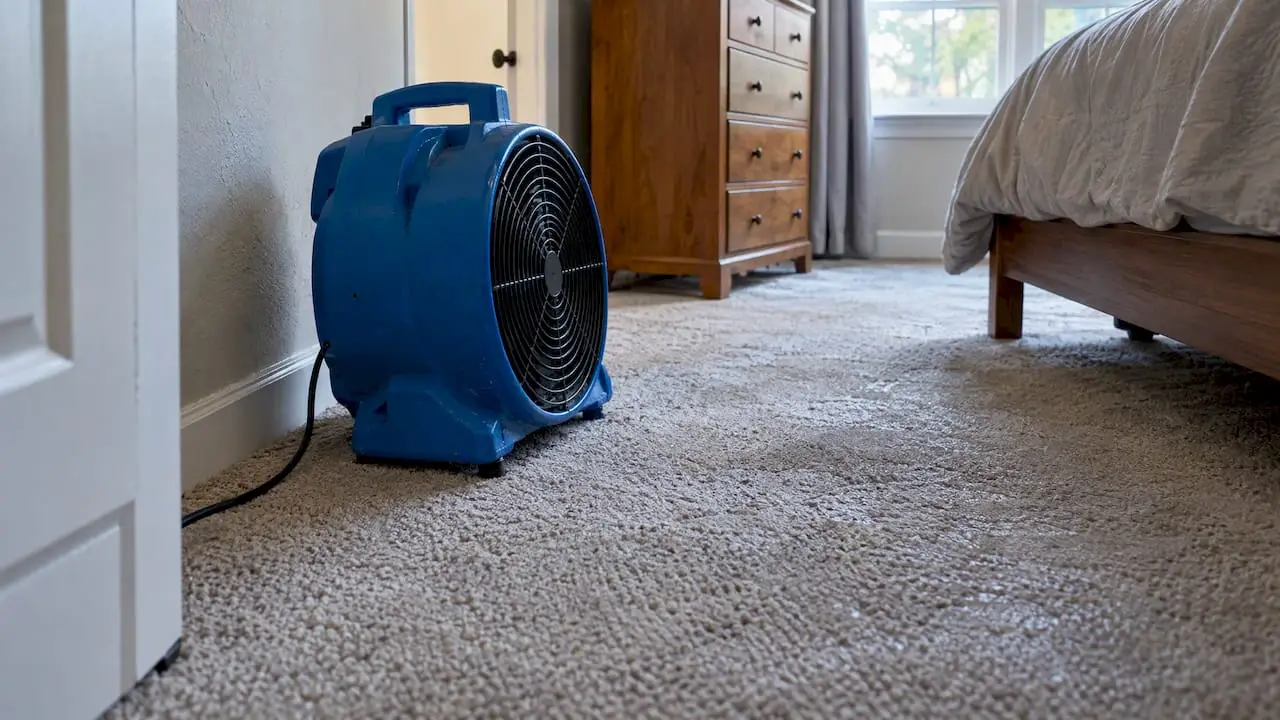
- High-volume air movers or fans positioned to circulate air across the carpet surface
- HEPA vacuuming once the carpet is fully dry, which helps with trapped allergens
There’s a separate consideration worth asking about: product emissions. EPA research on cleaning and indoor air found that cleaning activities, including carpet cleaner use, raised indoor concentrations of volatile and semivolatile organic compounds, with one common solvent persisting at elevated levels for days after some cleanings. Asking for low-VOC products and opening windows or running ventilation afterward addresses both the chemical and moisture side of the equation. If you want more on ventilation strategy, this guide to improving indoor air quality covers practical options for circulating air faster after a wet clean.
Preparing for a combined deep clean with carpet shampooing
A little prep work before the crew arrives keeps the appointment moving and avoids surprise charges.
- Clear the floors. Pick up toys, shoes, cords, and loose items so crews aren’t working around clutter.
- Secure pets. Keep animals in a separate room or crate, both for their safety and to keep the work area accessible.
- Flag stains ahead of time. Point out old spills, pet accidents, or set-in stains so the crew can pre-treat them properly.
- Unlock closets and rooms that need attention, and move anything fragile or irreplaceable out of the work zone.
On-site, expect the crew to move light furniture like chairs but not always heavier pieces like bookshelves or beds, unless that’s specified in the booking. Many providers do a quick spot test on an inconspicuous section of carpet first, checking for colorfastness before applying solution more broadly. Total time depends on square footage, but a single room typically takes less than an hour while a full apartment can run several hours when combined with the rest of a deep clean.
Afterward, keep windows open or fans running to speed drying, and avoid heavy foot traffic on the carpet until it’s dry to the touch, generally within that 24 to 48-hour window. If a stain reappears as the carpet dries, which can happen when soil wicks up from deeper in the pad, ask the provider about a follow-up spot treatment rather than assuming the job failed.
How to pick a provider for shampooing and deep cleaning together
The right questions at booking save you from a disappointing appointment later. Look for a provider who can answer clearly, not vaguely, on a few specific points.
- Which method they use (hot-water extraction, rotary shampoo, or bonnet cleaning) and why
- What their drying plan looks like, including whether they bring dehumidifiers or fans
- Whether they offer a stain or odor guarantee, and what it actually covers
- Whether furniture moving is included or billed separately
- Whether they carry insurance and what happens if something is damaged during the clean
Ask directly: “Which method do you use?” “How long will it take to dry?” “Is there a guarantee if stains reappear?” “Do you move furniture, or is that extra?” A provider who answers all four without hedging is usually one that’s done this enough times to know the pitfalls.
Pro Tip: Treat a suspiciously low quote with caution if it doesn’t mention drying equipment at all. Skipping dehumidifiers or air movers to save time is one of the most common ways a cheap carpet clean turns into a mold problem a week later.
Red flags worth noting: a quote with no mention of drying time, a price that seems far below others for the same square footage, or a provider who can’t describe their method beyond “we shampoo it.” Vague answers usually mean vague results.
A local cleaner’s take on combined carpet shampooing
Our deep cleaning and carpet cleaning services are offered regularly, but carpet shampooing is not always included automatically in a deep clean and may require an additional request. Eco-friendly products are used throughout the cleaning services, which is especially important for carpets where people and pets have frequent contact.
During combined appointments, the drying plan is discussed beforehand, spot-testing is performed on inconspicuous areas, and the staff assigned are insured and trained. Scheduling availability varies by season, so booking in advance allows for more flexible appointment options. Reviewing the service details online before booking helps confirm what is included in each cleaning service.
— Local
Book a deep clean or move cleaning that fits your carpet needs
We offer Deep Cleaning with eco-friendly products and insured staff, and Move In and Move Out Cleaning for anyone who needs carpets refreshed before handing over keys or settling into a new place. Carpet attention can be added to these services depending on what your space needs, and we walk through exactly what’s covered before any appointment is confirmed.

Booking online takes a few minutes, and we run promotions periodically that are worth checking before you schedule. If you’re deciding between service types first, our comparison of Standard versus Deep Cleaning breaks down which one matches your situation, and our Deep Cleaning cost guide walks through what typically affects pricing. When you’re ready, book your cleaning now and we’ll confirm the details with you directly.
FAQ
How much does it cost to have a carpet cleaned professionally?
Professional carpet cleaning costs depend on area size, carpet condition, and whether add-ons like pet-odor treatment or stain protection are included, so pricing varies by provider and region. Ask for a per-room or per-square-foot rate along with any minimum charge so you can compare quotes accurately.
How much does Stanley Steemer charge to shampoo carpets?
We don’t have published pricing from that company to cite accurately, and pricing varies by location and service type. For our own services, pricing is available by requesting a quote through our booking page.
What does carpet cleaning include?
A typical professional carpet clean includes pre-vacuuming, spot treatment on stains, application of a cleaning solution, agitation to work it into the fibers, extraction of the dirty solution, and a drying period. The EPA recommends drying carpets within 24 to 48 hours using extraction equipment, fans, and dehumidifiers to prevent mold.
Who has the best deal on carpet cleaning?
There’s no single provider that’s universally cheapest, since pricing depends on your location, carpet size, and condition. The better approach is requesting the same cost breakdown from a few providers, pricing unit, minimum charge, and add-on costs, so you’re comparing equivalent services rather than headline prices.
Is it normal for carpet to smell after shampooing?
A mild, temporary scent from the cleaning solution is common and should fade as the carpet dries. If an odor persists well past the typical 24 to 48 hour drying window, it may signal the carpet didn’t dry fully, which EPA guidance links to microbial growth risk.
Sources
- Influence of Cleaning on Indoor Air Concentrations of Volatile and Semivolatile Organic Compounds in Residences
- Mold Remediation in Schools and Commercial Buildings (EPA 402-K-01-001)