
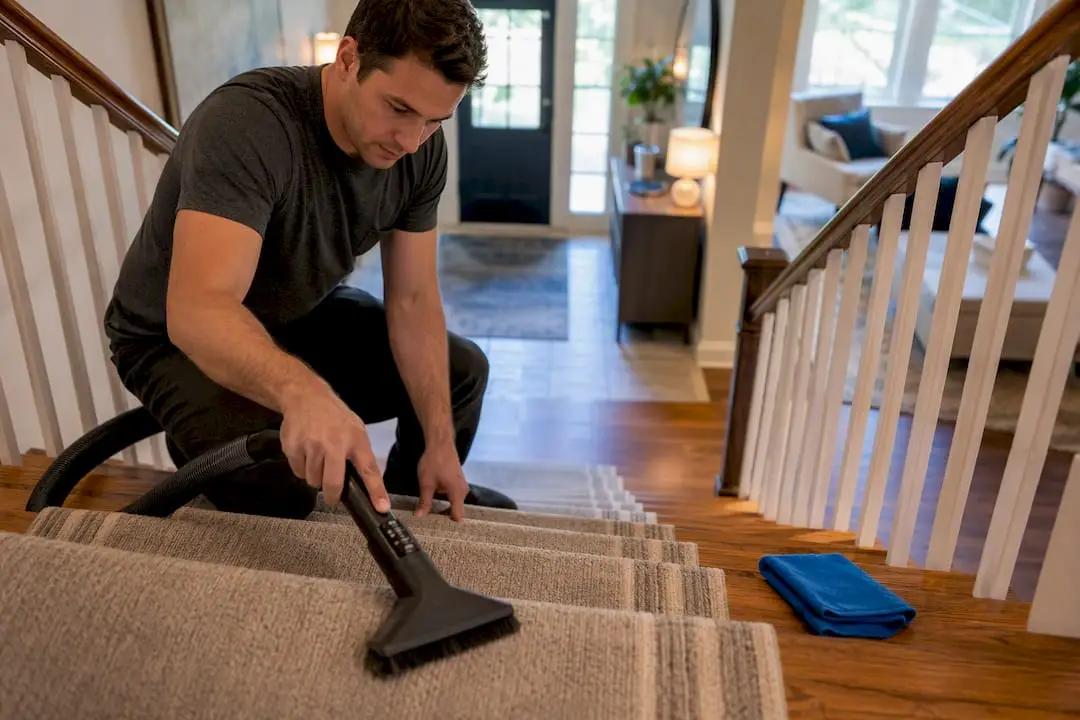
The baseline that actually works: wipe down kitchens and high touch surfaces daily, reset floors and bathrooms weekly, rotate appliances and fixtures monthly, and deep clean everything every three to six months. Households with kids, pets, allergies, heavy cooking, or lots of foot traffic should shift most of that toward the shorter end. Everything below breaks that baseline into a checklist you can actually follow.
TL;DR:
- Households with pets, kids, or allergy concerns should opt for weekly professional cleaning to maintain optimal indoor hygiene.
- Deep cleaning tasks such as oven cleaning and grout scrubbing should be done quarterly or seasonally, and mattress rotation is recommended every three to six months.
- Regular maintenance with biweekly or monthly professional visits can reduce long-term cleaning efforts and costs for most households.
- Households should tailor their cleaning routines based on room usage and traffic, increasing frequency in kitchens, bathrooms, and high-traffic zones.
- Implementing a fixed weekly or monthly schedule and sticking to it tends to outperform sporadic, intensive cleaning efforts over time.
Table of Contents
- The Definitive House Cleaning Schedule by Interval
- Room-by-Room Cleaning Frequency
- What Actually Changes Your Cleaning Frequency
- How Often Should You Get Professional House Cleaning?
- Simple Rules That Make a Cleaning Routine Stick
- Why Consistency Beats a Perfect Schedule
- Get a Cleaning Schedule You Don’t Have to Manage Yourself
- Sources
- FAQ
The Definitive House Cleaning Schedule by Interval
House cleaning frequency isn’t one number. It’s a stack of intervals, each doing a different job. Daily tasks stop mess from setting; weekly tasks stop grime from building; monthly and seasonal tasks catch what daily habits miss.
Daily (5 to 15 minutes):
- Wipe kitchen counters and the stovetop after cooking
- Wash dishes or run the dishwasher
- Quick wipe of light switches, door handles, and faucet handles
- Spot sweep entryways and kitchen floors
Weekly (60 to 90 minutes total):
- Vacuum and mop all floors
- Clean bathrooms fully: toilet, sink, tub or shower, mirror
- Dust visible surfaces and furniture
- Change bed linens and towels
- Take out trash and recycling from every room
Monthly (a half day, split across a few sessions):
- Wipe down appliance exteriors, including handles and vents
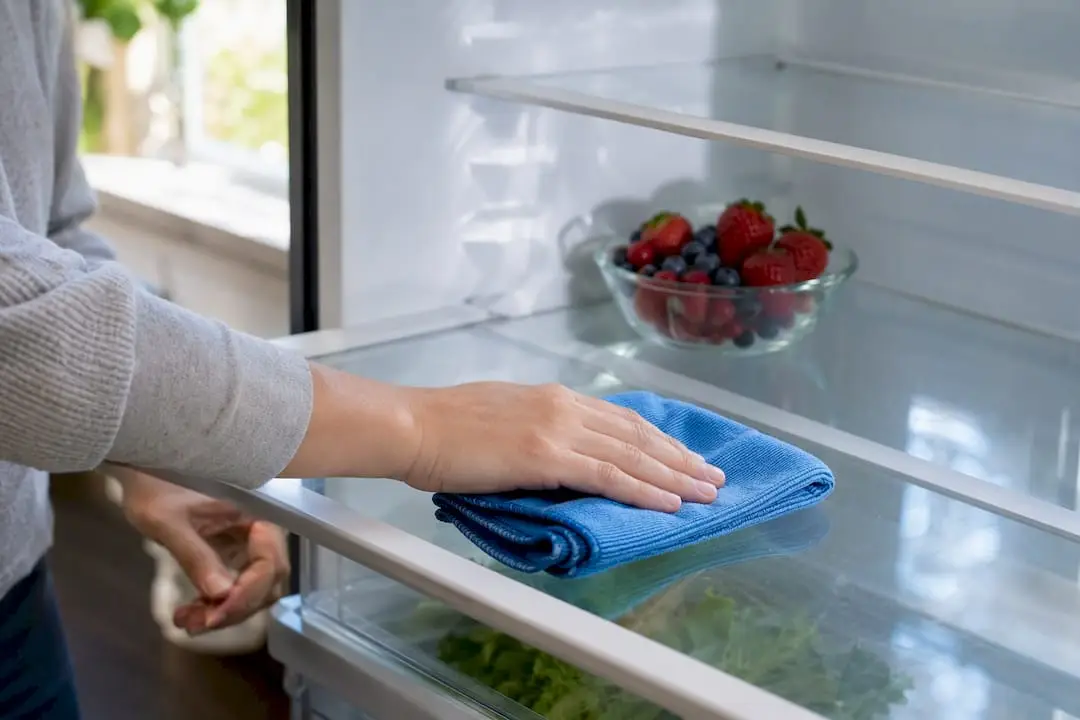
- Clean inside the microwave and wipe fridge shelves
- Wash light fixtures and blinds
- Launder throw blankets and pillow covers
Quarterly or seasonal:
- Deep-clean the oven interior
- Descale showerheads and faucets
- Shampoo carpets or bring in a professional carpet service
- Wash curtains and clean windows inside and out
Yearly:
- Move furniture to clean under beds and sofas
- Clean or rotate mattresses
- Check and clean gutters, plus any major outdoor fixtures
This structure lines up with the Care, which separates daily upkeep like dish washing and disinfecting high touch spots from weekly resets like vacuuming and linen changes. The OneHaus room-by-room frequency chart uses a similar daily to yearly ladder, with quarterly oven cleaning as a specific benchmark worth keeping on your calendar.
Pro Tip: Keep a printed or phone-note version of just the monthly and quarterly tasks. Daily and weekly habits stick on their own, but the less frequent jobs are the ones people forget exist.
Room-by-Room Cleaning Frequency
Different rooms wear out at different speeds. A kitchen sponge and a living room curtain don’t belong on the same clock.
Kitchen: Counters and the sink need daily attention. Give the fridge interior a quick wipe and cabinet fronts a pass weekly. Deep-clean the oven and pull appliances away from the wall quarterly to catch grease buildup, following the pattern in the Homes & Gardens deep-clean guide. Swap sponges and hot-wash dishcloths every one to two weeks, per The Cleaning Institute’s room guide.
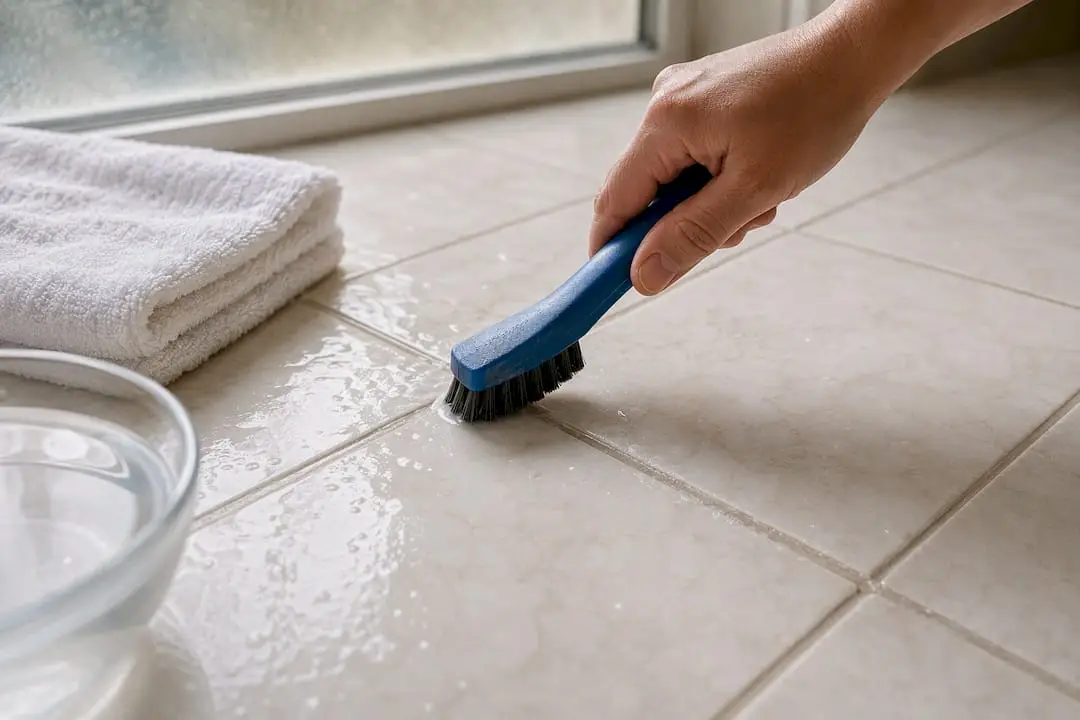
Bathroom: Wipe sinks and toilets every two to three days if more than one person uses the room. Do a full clean, including the tub and mirror, weekly. Save grout scrubbing and mineral scale removal for quarterly sessions.
Bedroom: Wash sheets weekly, or every other week at minimum, and vacuum weekly. Mattresses need attention every three to six months, whether that’s flipping, vacuuming, or spot treating.
Living room: Dust and vacuum weekly. Clean upholstery monthly if you have pets, quarterly if you don’t. Curtains only need washing about twice a year unless someone smokes or you live near a busy street.
Entry and high traffic zones: Sweep or vacuum weekly, but give entry mats a real shake out or deep clean monthly since they trap the most outdoor debris. Rotate seasonal shoe and coat storage as weather changes. If your household includes pets tracking in dirt daily, this guide to cleaning with pets covers how to adjust the entryway routine specifically.
What Actually Changes Your Cleaning Frequency
A single person in a studio and a family with two dogs are not working from the same schedule, even if they use the same checklist.
Add roughly one cleaning interval step (weekly becomes twice weekly, monthly becomes biweekly) for each pet in the home, since fur and dander accelerate floor and upholstery buildup. If anyone in the house has allergies, move linens and dusting to weekly no matter the household size, and consider professional indoor air-quality services to help maintain a healthy environment. Heavy cooking, high foot traffic, and young kids all also push kitchen and floor tasks toward the shorter end.
The bigger principle: a modest, consistent cadence beats sporadic marathon cleans. Lakeland Currents’ research on scheduled cleaning found that regular upkeep reduces the catch-up labor that piles onto infrequent deep cleans. If you’re unsure where to start, try monthly for a season, then shift to biweekly if the house feels noticeably dirty by week three.
How Often Should You Get Professional House Cleaning?
Most people underestimate how common monthly service actually is. In a 500-household sample, Keepsake PCO found that about 59.5% chose monthly professional cleaning, with biweekly at roughly 33.4% and weekly service at just 6.6%, mostly reserved for homes with kids, multiple pets, allergy concerns, or frequent entertaining.
More frequent visits usually mean less work, and less cost, per visit, since the crew isn’t fighting weeks of buildup each time. A household that books weekly often pays less per session than one doing sporadic deep cleans, even though the monthly total looks higher on paper.
To decide, run through a short checklist: How many people and pets live here? Are you willing to handle light maintenance between professional visits? What’s the budget ceiling? Does anyone have allergies that make dust and pet hair a health issue, not just an appearance one? If you’re weighing a one-time deep clean against ongoing service, this comparison of deep cleaning versus move-out cleaning breaks down what each actually covers.
Simple Rules That Make a Cleaning Routine Stick
Two sample routines cover most households:
- Minimal plan (singles or couples): Daily kitchen wipe down, one weekly session covering floors and bathroom, one monthly session for appliances and dusting.
- Family or pet household plan: Daily kitchen and floor spot check, two shorter sessions a week instead of one long one, and a monthly deep task rotated by room (bedroom one week, bathroom the next).
The 80/20 rule applies well here: roughly 20% of tasks, keeping counters clear, floors swept, and dishes done, produce 80% of the “clean home” feeling. Everything else is maintenance, not survival.
If daily habits keep slipping, try the 5-5-5 method: five minutes tidying the kitchen, five minutes on the bathroom, five minutes resetting one more room. It’s small enough to actually finish. Hot-wash dishcloths every two to three days, replace sponges weekly, and block off one afternoon each quarter for the deep-clean tasks that don’t fit into daily or weekly routines.
Pro Tip: Pick one recurring day for your weekly reset, like Saturday morning, instead of “whenever.” A fixed day removes the decision fatigue that kills most cleaning routines within a month.
Why Consistency Beats a Perfect Schedule
Most people treat cleaning frequency as a discipline problem when it’s really a design problem. A reliable monthly or biweekly plan, kept without exception, tends to outperform an ambitious weekly plan that gets skipped half the time. The house that gets cleaned on a modest but unbreakable schedule looks better in month six than the house cleaned intensely but randomly.
Pure Homes Cleaning sees this pattern play out constantly with households that switch from occasional deep cleans to a set cadence. The fix usually isn’t cleaning harder. It’s picking a rhythm and testing it for a full cycle before deciding it’s wrong.
— Local
Get a Cleaning Schedule You Don’t Have to Manage Yourself
If reading through daily, weekly, and quarterly checklists sounds like one more thing to track, that’s the exact problem Pure Homes Cleaning solves for busy households in DC, Virginia, and Maryland: you pick a cadence once, and someone else handles the follow-through.

Pure Homes Cleaning builds recurring plans around the same intervals covered above. Low-maintenance households tend to do well on a monthly plan, families and pet owners usually land on biweekly, and homes with allergy concerns or heavy daily use often need weekly visits. Every plan can include eco-friendly products, and the same crews handle deep cleaning and move-in or move-out service when you need something beyond the regular rotation.
Check available times and get a quote through online booking to set up a cadence that matches your household instead of guessing at one.
Sources
- Care
- Room guide | The Cleaning Institute
- How often should you get your house professionally cleaned? | Keepsake PCO
- How often should you deep clean your home? | Homes & Gardens
FAQ
How often should you realistically clean your house?
Daily for kitchen counters and high touch surfaces, weekly for floors and bathrooms, monthly for appliances and light fixtures, and a full deep clean every three to six months. Households with pets, kids, or allergies should lean toward the shorter end of each range.
What is the 5-5-5 rule for cleaning?
It’s a quick daily routine: five minutes tidying the kitchen, five minutes on the bathroom, five minutes resetting one other room. It keeps a home from sliding backward without demanding a long cleaning session.
What is the 80/20 rule for house cleaning?
Everything beyond that is maintenance rather than a daily requirement.
How often should I get my house professionally cleaned?
Most households choose monthly professional service, with biweekly as a common step up for families or pet owners. Weekly service usually suits homes with young kids, multiple pets, or allergy concerns. Pure Homes Cleaning offers all three cadences and can adjust frequency after the first visit if the schedule needs tweaking.
What is the 6/10 rule for cleaning houses?
Definitions vary online, but the version most cleaning guides use is spending about six minutes on ten key daily tasks, like wiping counters, making the bed, and clearing dishes, to keep a home from feeling out of control between deeper cleaning sessions.