A complete spring cleaning checklist covers eight high-impact zones: ceiling fans and vents, the refrigerator and oven, bedding and mattresses, floors, baseboards, closets, windows, and outdoor gutters. Covering these zones addresses the majority of the dirt and clutter that builds up over a winter of closed windows and cranked heat.
Here is the fast version, before you get into the details:
- Dust ceiling fans and air vents (they collect the most allergens in a closed-up house)
- Empty and deep-clean the refrigerator and freezer
- Wash all bedding, pillow protectors, and mattress covers
- Vacuum and mop every floor, including under furniture
- Wipe down baseboards and window tracks
- Clean or replace HVAC filters and check exhaust fans
- Declutter one closet and set aside a donation bag
- Wash interior and exterior windows
Print this list or save it to your phone and check items off room by room. The full breakdown below gives you the supplies, the safety rules nobody mentions, and a realistic schedule so the whole project does not eat your entire weekend.
TL;DR:
- Deep-cleaning the refrigerator coils, oven, and high-touch surfaces significantly reduces built-up grease and allergens that accumulate during winter.
- Gathering supplies such as microfiber cloths, a HEPA vacuum, and basic cleaners beforehand prevents wasted time and keeps the cleaning process on track.
- Proper safety precautions, like preventing bleach and ammonia from mixing, are essential to avoid toxic gas and ensure a safe cleaning environment.
- Scheduling tasks over several weeks or short daily periods makes spring cleaning more manageable and helps avoid burnout or missed spots.
- Hiring professional services for heavy-duty tasks like appliance moving or deep grout cleaning can save time and ensure thorough results.
Table of Contents
- Your Spring Cleaning Checklist: What to Gather Before You Start
- Room-by-Room Spring Deep Cleaning Checklist
- Spring Cleaning Checklist for Outdoor and Utility Spaces
- Scheduling Your Spring Cleaning: Realistic Pacing That Actually Works
- Spring Cleaning Mistakes That Waste Your Weekend
- Making the Checklist Work for Your Household
- When to Call In Professional Help
- Why I Still Do This Every Spring
- Book a Spring Deep Clean With Purehomescleaning
- Key Takeaways
- Sources
- FAQ
Your Spring Cleaning Checklist: What to Gather Before You Start
Half of a wasted spring cleaning weekend comes down to bad prep. You start on the kitchen, realize you are out of degreaser, drive to the store, and lose an hour of momentum. Gathering everything first turns a chaotic day into a controlled one.
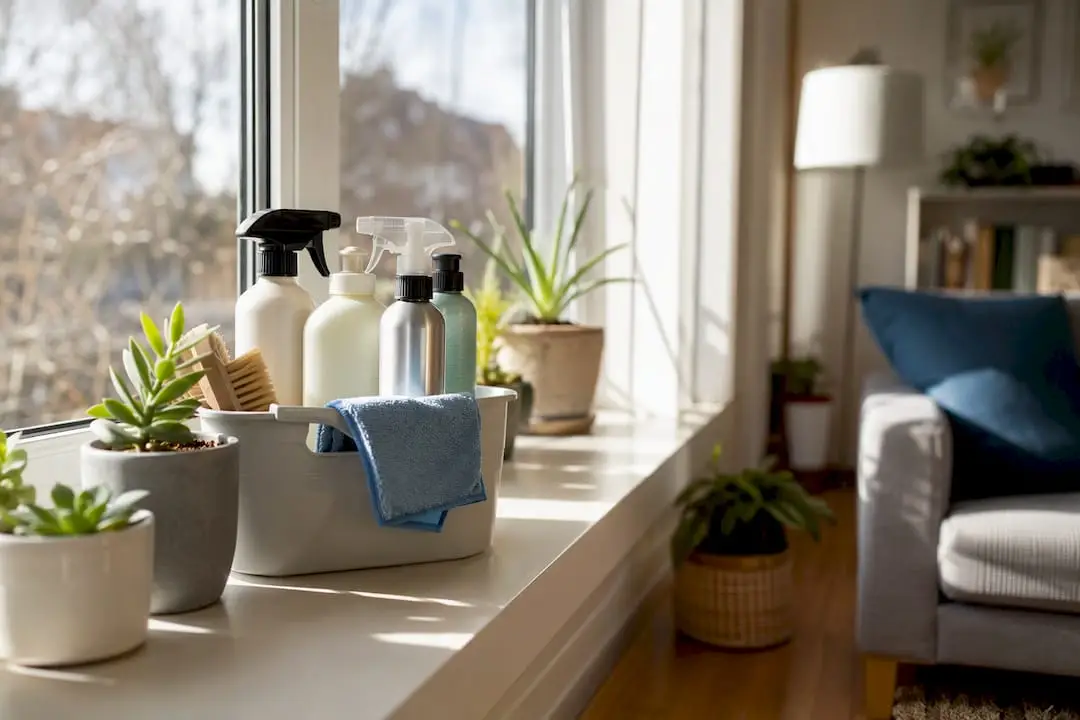
Your basic supplies kit:
- Microfiber cloths (at least six). Microfiber traps dust and debris instead of just pushing it around the way paper towels do, and it will not scratch glass, screens, or finished wood.
- A vacuum with a HEPA filter or strong filtration. Standard vacuums recirculate fine dust back into the air. A HEPA-rated machine actually captures the allergens you are trying to remove.
- A general-purpose cleaner, a degreaser, and glass cleaner. Three products handle 90% of surfaces. You do not need a specialty spray for every room.
- Rubber gloves and safety glasses for anything involving bleach, oven cleaner, or descaling solution.
- White vinegar and baking soda. Vinegar cuts through mineral deposits on showerheads and faucets and works as a natural deodorizer. Skip it on natural stone like granite or marble, where the acid can etch the surface over time.
Match the cleaner to the surface, not the other way around. Baking soda paste lifts grease from oven interiors without harsh fumes. Vinegar diluted with water descales a showerhead in about 20 minutes. For hardwood floors, stick to a pH-neutral cleaner made for wood, since vinegar’s acidity can dull the finish with repeated use.
Safety rules matter more here than in almost any other home project, because people mix cleaning products without thinking about the chemistry. Never combine bleach and ammonia products. Mixing the two creates chloramine gas, which is toxic even in small amounts and has sent people to the emergency room in their own bathrooms. Open a window or run a fan any time you are using bleach, oven cleaner, or a strong degreaser indoors. If you are testing a new product on a surface you care about, like a painted wall or a wood floor, dab it on a hidden spot first and wait a few minutes to check for discoloration, a step Martha Stewart’s cleaning guide also recommends before committing to a full surface.
Pro Tip: Keep a small caddy with your most-used items (microfiber cloths, all-purpose spray, gloves) so you are not walking back to a closet every time you switch rooms. It sounds minor, but it is the difference between finishing in one day and stretching the job into three.
Room-by-Room Spring Deep Cleaning Checklist
This is the core of any spring house cleaning checklist: the actual room-by-room tasks that separate a quick tidy from a real reset. Work through these in order, or pick off one room at a time if that fits your schedule better.
Kitchen
The kitchen holds the most neglected appliances in the house, because you clean the counters daily but rarely touch what is behind or inside them.
- Pull the refrigerator and freezer contents, toss expired items, and wipe down every shelf and drawer with a mild soap solution.
- Slide the fridge out (if possible) and vacuum the coils and floor behind it.
- Run the oven’s self-clean cycle or scrub with a baking soda paste, and clean the racks separately in the sink.
- Wipe down the microwave interior, dishwasher gasket, and the exterior of every large appliance.
- Degrease cabinet fronts, especially near the stove, where cooking residue builds an invisible film over months.
- Clean the backsplash and, if you have one, remove and wash the range hood filter, which collects more grease than most people realize.
- Scrub the sink and run a disposal cleaner or ice and citrus peels through the garbage disposal.
- Finish with counters, then mop the floor last.
Bathrooms
Bathrooms need attention to grout, fans, and fabric, not just the obvious surfaces.
- Scrub grout lines with a stiff brush and a baking soda paste. This is the task most people skip because it takes longer than wiping a countertop.
- Descale the showerhead by soaking it in a vinegar solution, which restores water pressure that mineral buildup has been quietly choking off.
- Wash shower curtain liners and bath mats. Both trap moisture and grow mildew faster than most fabric in the house.
- Clean the bathroom exhaust fan cover and vent grille. Dust buildup here reduces airflow and lets humidity linger, which feeds mold growth.
- Disinfect high-touch spots: faucet handles, light switches, and the toilet flush handle.
- Launder every towel and bath mat on a hot cycle.
Bedrooms
- Strip every bed and wash sheets, pillowcases, and pillow protectors on the hottest safe setting.
- Vacuum the mattress on both sides using an upholstery attachment, and rotate it if your mattress type calls for that.
- Go through the closet and pull anything you have not worn in a year into a donation bag. Decluttering before you deep clean is the step most guides put first for a reason: it is much easier to clean a closet floor once the clutter is gone than to clean around it.
- Move the bed and vacuum or mop underneath it, then wipe the baseboards along that wall.
A quick note on laundry: if your linens smell musty even after a normal wash, a “laundry stripping” soak (hours-long soaking in a tub with detergent, borax, and washing soda) can reset them. Treat it as an occasional fix, not a habit. Repeated stripping breaks down fabric fibers faster than regular washing.
Living areas and home office
- Dust electronics, picture frames, and shelving with a dry microfiber cloth, working top to bottom so debris falls onto surfaces you will clean next, not ones you already finished.
- Vacuum upholstered furniture, including under the cushions, where crumbs and dust collect for months.
- Take down blinds or curtains and either vacuum them in place or launder curtains per the fabric label.
- Sanitize remote controls, light switches, and doorknobs, all high-touch surfaces that rarely get wiped during a normal week.
- Clean your desk setup, including the keyboard, mouse, and monitor, using compressed air for crumbs and a slightly damp microfiber cloth for the screen.
Laundry room
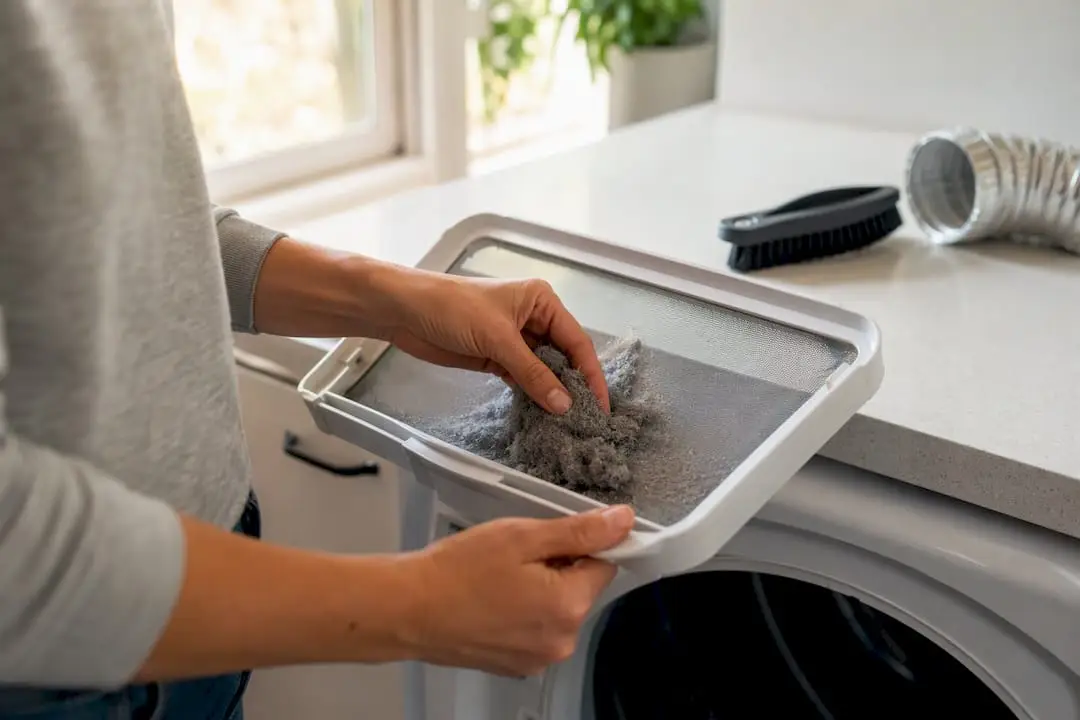
The laundry room quietly affects fire safety, which most spring cleaning lists gloss over. Clean the washer drum using a hot cycle with vinegar or a washer-cleaning tablet, and wipe out the detergent drawer, where mold likes to grow in the residue. Clear the lint trap after every load, but also check the dryer vent itself: a lint-clogged vent reduces dryer efficiency and raises fire risk, and if your dryer takes longer than usual to dry a load or the vent run is long, it is worth hiring a professional vent-cleaning service rather than guessing at a DIY fix.
Spring Cleaning Checklist for Outdoor and Utility Spaces
A full spring house cleaning checklist does not stop at your front door. Outdoor buildup over winter creates real problems, from clogged gutters to trapped moisture under patio furniture.
- Clear gutters and check downspouts. Standing leaves and debris send water toward your foundation instead of away from it. If you are working from a ladder, always have someone spot you, keep three points of contact, and never lean the ladder against the gutter itself, since it can buckle under weight.
- Pressure wash the patio and driveway. This lifts winter grime, salt residue, and the early stages of mildew before it spreads across the concrete.
- Wash outdoor furniture and cushions. Cushions especially trap moisture, and mildew spreads fast once it takes hold in outdoor fabric.
- Treat visible mildew on siding or fences with a diluted bleach solution or a commercial mildew treatment, applied outdoors with gloves and eye protection.
- Clear and organize the garage. Sweep the floor, spot-clean oil stains with a degreaser, and check corners and boxes for signs of pests, mice droppings or chewed cardboard are the giveaways.
- Store items off the ground on shelving, which limits both pest access and moisture damage from a damp garage floor.
- Clean exterior windows and screens. Remove screens, hose them down, and let them dry flat before rehanging. Wash exterior glass with a squeegee to avoid streaks that spray cleaners tend to leave behind.
Scheduling Your Spring Cleaning: Realistic Pacing That Actually Works
The single biggest reason spring cleaning plans fail is trying to do everything in one exhausting day. Breaking the work into smaller, structured chunks both prevents burnout and reduces the odds you skip a high-touch surface because you were rushing by hour six.
Three pacing methods work, depending on your schedule:
- One room per week. Spread the whole project across four to six weeks, tackling a single room each weekend. This works best if your weekends are already tight.
- Weekend blitz. Clear two full days and move through the entire house in one push. This suits people who would rather get it over with than have cleaning supplies out for a month.
- Daily micro-sessions. Commit to 15 to 30 minutes a day after work. Slower, but it fits into a schedule that has zero open weekends.
Here is a sample four-week version using the room-per-week approach:
| Week | Focus Area | Key Tasks |
|---|---|---|
| Week 1 | Kitchen | Fridge, oven, cabinets, backsplash, floors |
| Week 2 | Bathrooms | Grout, showerheads, fans, towels |
| Week 3 | Bedrooms and closets | Bedding, mattress, decluttering, donation |
| Week 4 | Living areas and outdoor | Upholstery, blinds, gutters, patio, garage |
If you live with a partner, roommates, or kids old enough to help, assign tasks by strength and interest rather than splitting rooms evenly. Someone who hates kitchens but does not mind yard work should take the garage and gutters. Kids can handle their own closets and bedrooms with a simple checklist and a little supervision. Splitting the list this way keeps any one person from feeling like they got stuck with the worst jobs.
Spring Cleaning Mistakes That Waste Your Weekend
A few habits quietly sabotage an otherwise solid spring cleaning list. Rushing through a room without a plan means you clean the same spot twice and miss others entirely. Cleaning floors first, before dusting shelves or wiping counters, means you are just going to track dust back onto floors you already mopped. Always work top to bottom and dust before you vacuum.
Reusing a dirty cloth across multiple surfaces spreads grime rather than removing it. Grab a fresh cloth (or a clean side of the one you have) once it looks visibly soiled. And skipping the declutter step before you deep clean makes every task harder than it needs to be. It is much faster to wipe down an empty shelf than to clean around a pile of stuff you have not decided what to do with yet.
Spots people miss almost every time:
- Baseboards throughout the house
- Air vents and the tops of doorframes
- Behind and underneath large appliances
- Window tracks and sills
- Ceiling fan blades, which drop dust straight into the air the moment you turn them on
For decluttering, try a simple three-box method: keep, donate, and a “maybe” box for sentimental items you are not ready to part with. Revisit the maybe box in a few weeks. If you have not thought about what’s in it, donate it then.
Pro Tip: If a task requires moving a major appliance, involves mold beyond a small surface patch, or would take more than a full day on its own (like heavy-duty carpet extraction), that is usually the point where hiring a professional saves more time and stress than it costs.
Making the Checklist Work for Your Household
A printable spring cleaning checklist only helps if it fits how you actually live. For a one or two-bedroom apartment, a single printed page covering kitchen, bathroom, bedroom, and living area tasks is plenty. Larger homes with multiple bathrooms or a finished basement do better with a multi-page version split by floor or zone.
- For families, print a copy per household member with a column for initials next to each task, so everyone can see who owns what.
- For a digital option, snap a photo of your checklist and set phone reminders for each room, or build a simple recurring list in a notes app.
- For small apartments, cut the outdoor and garage sections entirely and focus the extra time on closets and kitchen appliances instead.
- For large or multi-story homes, break the printable into one sheet per floor so nobody is carrying a five-page list room to room.
When to Call In Professional Help
Some spring cleaning tasks are worth doing yourself. Others eat an entire afternoon and still do not come out right without the right equipment. Moving heavy appliances to clean behind them, deep-treating a mattress or upholstered furniture, dryer vent cleaning, and grout that has gone years without a real scrub all tend to justify bringing in a professional crew.
A typical professional deep clean covers the full scope of what this checklist walks through, kitchen appliances, bathrooms, baseboards, vents, and more, usually in a single visit rather than a month of weekends. Most companies, including Purehomescleaning, offer eco-friendly product options for households with kids, pets, or allergy concerns, along with upfront time estimates and online booking so you are not stuck coordinating everything by phone.
A spring deep clean done right should leave you noticing the difference in air quality as much as in appearance, cleaner vents and filters mean less dust circulating for weeks afterward.
Before booking anyone, ask what is actually included. Some “deep clean” packages skip appliance interiors or window tracks unless you request them specifically. Checking a results gallery beforehand gives you a realistic sense of what a finished job actually looks like.
Why I Still Do This Every Spring
There is a specific kind of relief that comes from opening a closet you have not touched since November and actually being able to see the floor. It is not about the house looking magazine-ready. It is about not tripping over the same box for six months.
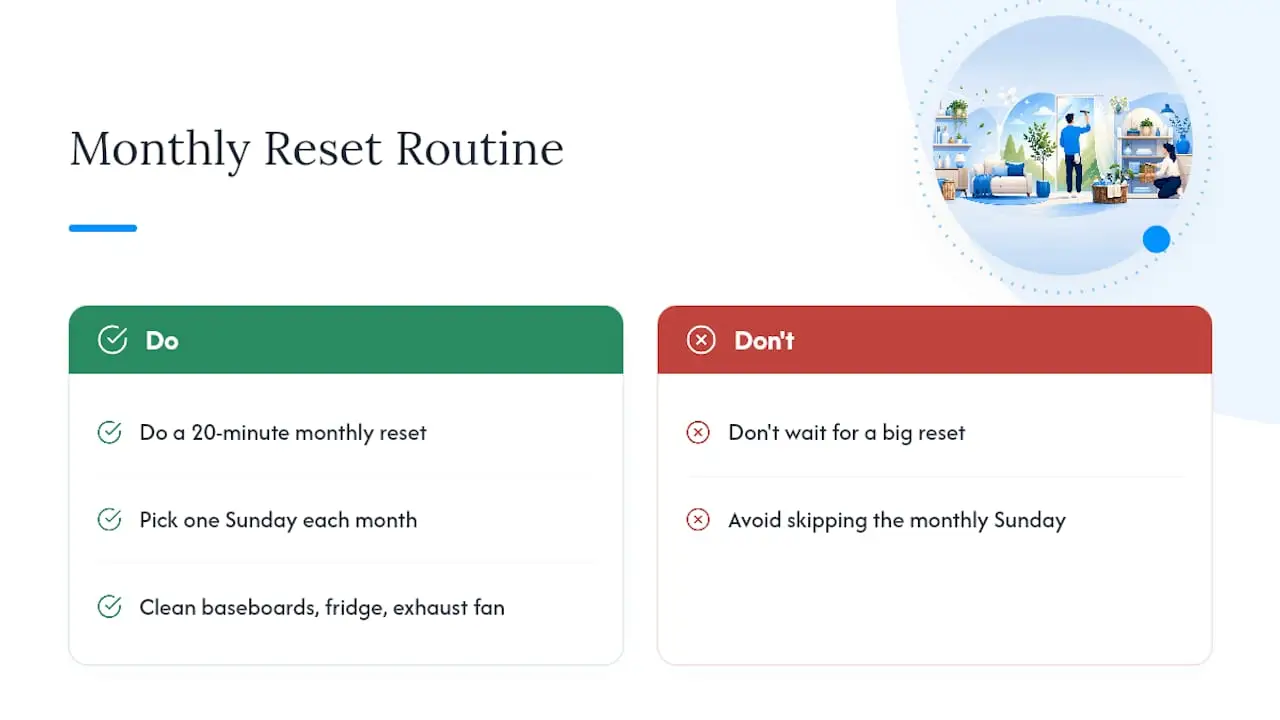
The habit that actually keeps a spring clean from unraveling by June is a monthly 20-minute reset. Pick one Sunday a month, hit the spots that build up fastest (baseboards, the fridge, the bathroom exhaust fan), and you avoid ever facing the kind of full reset this checklist covers. Small and boring beats big and exhausting almost every time.
— Local
Book a Spring Deep Clean With Purehomescleaning
If you have made it through this list and the thought of tackling all of it yourself sounds like more weekend than you have to give, that is exactly the gap Purehomescleaning fills. Instead of blocking out two full days, buying five different cleaning products, and hoping you did the oven right, you book a visit and a trained crew handles the entire room-by-room list in hours, not weeks.

This makes the most sense when your time is tight, when a health issue makes bending and scrubbing difficult, or when the job involves something technical like dryer vent cleaning or heavy furniture moves. Purehomescleaning offers routine, deep, and move-in/move-out cleaning services across Washington, DC, Virginia, and Maryland, with eco-friendly product options available for households that want them. Every plan is customizable, so you can book a one-time deep clean to catch up after winter or set up a recurring schedule to keep it that way. Check availability and book your cleaning online in a few minutes.
Key Takeaways
A complete spring cleaning checklist works best when it pairs room-by-room tasks with a realistic schedule and clear safety rules for handling cleaning products.
| Point | Details |
|---|---|
| Start with the eight high-impact tasks | Ceiling fans, fridge, bedding, floors, baseboards, vents, closets, and windows cover most winter buildup. |
| Gather supplies before you start | Microfiber cloths, a HEPA vacuum, and a basic three-product cleaning kit prevent mid-task store runs. |
| Never mix bleach and ammonia | The combination creates toxic chloramine gas, so ventilate the room whenever you use strong cleaners. |
| Pace the work realistically | Choose one-room-per-week, a weekend blitz, or daily 15-minute sessions based on your schedule. |
| Declutter before you deep clean | Sorting into keep, donate, and maybe boxes makes every cleaning task faster and more thorough. |
| Hire pros for the heavy tasks | Purehomescleaning handles appliance moves, dryer vent cleaning, and deep grout work across DC, Maryland, and Virginia. |
Sources
- 13 Mistakes People Make While Spring Cleaning – Bob Vila
- Your Ultimate Spring-Cleaning Checklist – Martha Stewart
- 20 Spring Cleaning Tips from Professionals – TODAY
- The Spring Cleaning Checklists Experts Follow – Good Housekeeping
FAQ
How Long Does a Full Spring Cleaning Take?
A weekend blitz usually takes two full days for an average home, while a room-per-week schedule stretches the same work across four to six weeks depending on house size.
What Should Be on a Spring Cleaning Checklist?
The essentials include deep-cleaning kitchen appliances, washing all bedding and mattress covers, scrubbing bathroom grout, decluttering closets, dusting vents and ceiling fans, and washing windows inside and out.
Is It Safe to Mix Vinegar and Baking Soda for Cleaning?
Yes, but the fizzing reaction neutralizes both ingredients quickly, so they work better used separately: vinegar for mineral deposits and descaling, baking soda for scrubbing and deodorizing.
How Often Should You Replace HVAC Filters During Spring Cleaning?
Most experts recommend replacing HVAC filters every one to three months, and spring cleaning is a natural checkpoint to swap them out and improve indoor air quality.
Should I Declutter Before or After Cleaning?
Declutter first. Removing items you no longer need makes every subsequent cleaning task faster, since you are wiping down clear surfaces instead of working around clutter.
When Should I Hire a Professional Instead of DIY Spring Cleaning?
Consider a professional like Purehomescleaning when tasks involve moving heavy appliances, deep mattress or upholstery treatment, dryer vent cleaning, or when your schedule simply does not allow for a full DIY weekend.